
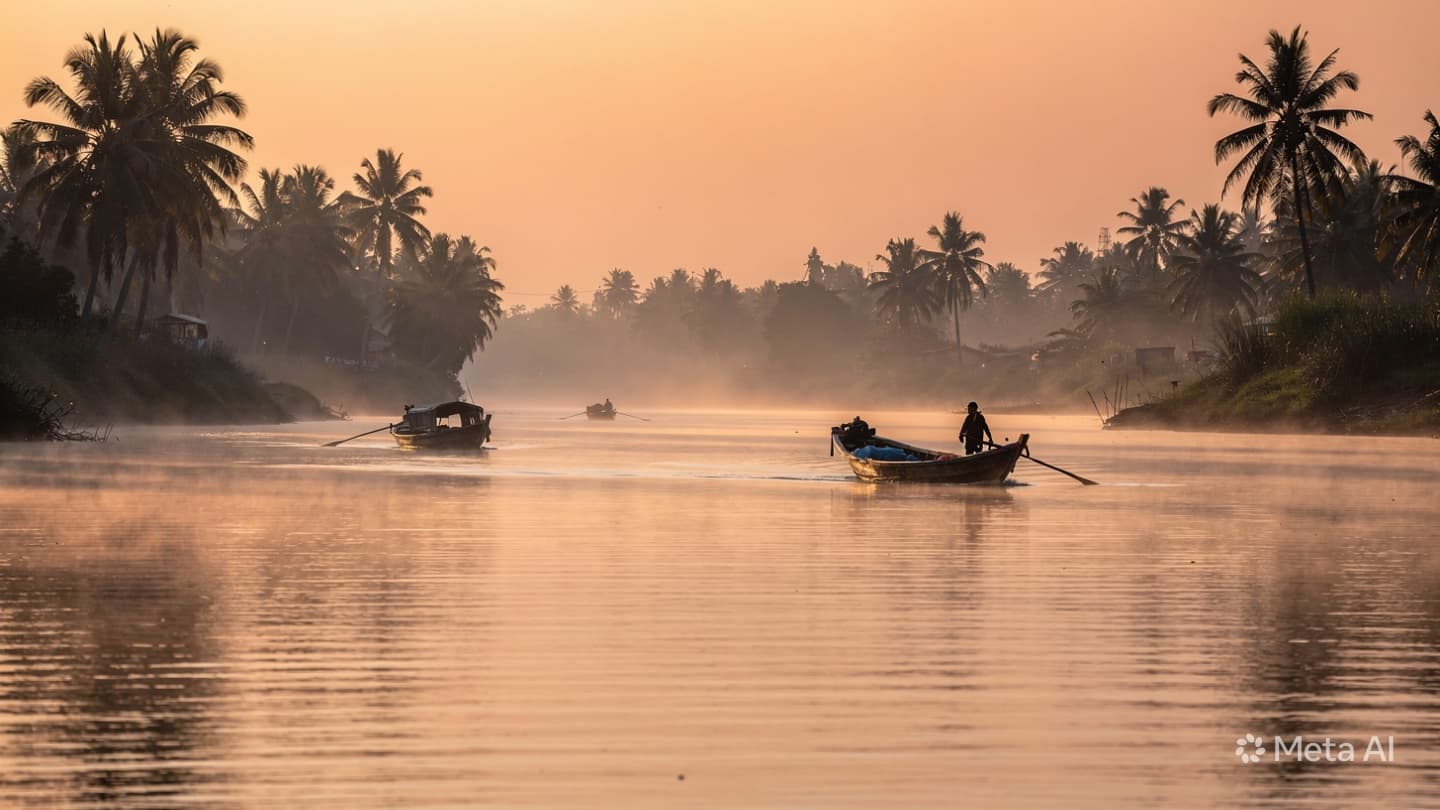
The Mekong Delta is a landscape defined by the relentless, purposeful movement of water, a vast network of channels where the distinction between land and stream is often blurred. Life here is inextricably linked to the pulse of the river, a rhythm that has dictated the passage of days for generations. To navigate these waters is to exist in a state of constant negotiation with the current, a delicate balance of skill, vessel, and the unpredictable nature of the deep. It is a world of quiet industry, where the boat is both a home and a means of survival.
However, the river possesses an indifference that can be chilling. When a vessel capsizes, the transformation is instantaneous; the familiar, steady surface becomes a place of sudden, urgent struggle. The transition from the routine of travel to the reality of a capsizing is a moment that defies easy explanation. For those caught in the water, the world narrows to the immediate sensation of the cold, the current, and the desperate search for footing where none exists. It is a reminder of our fundamental vulnerability when we place ourselves upon the water.
The aftermath of such an event is a stark, quiet period of recovery. The river, which moments before was a path of movement, becomes a site of sorrow. The search and rescue efforts, conducted with the solemn precision of those who know the river’s strength, are a testament to the community’s resilience. Yet, there is a profound weight in the task—a recognition that the Mekong, while it provides for the delta, also reserves the right to take away. The recovery of a life is a somber duty, a closing of the circle that leaves behind a quiet, lasting reflection.
For the people of the delta, the river is more than a geographical feature; it is an ancestor, a provider, and an adversary all at once. The loss of a life in the delta resonates through the local villages and the floating markets, a reminder that the water is a powerful force that demands respect. This incident, while local in its occurrence, taps into the deep, shared consciousness of a region built upon the foundation of the Mekong. It is a moment of collective mourning, a recognition of the inherent risks that define life along the banks.
The authorities involved in the aftermath navigate the complexities of the delta with the same skill they bring to the search. They document the incident, analyzing the factors—the weight of the cargo, the state of the vessel, the suddenness of the current—that contributed to the capsize. It is an analytical pursuit intended to provide clarity and, perhaps, to inform the practices of those who must continue to navigate the delta daily. Yet, beneath the official reports lies the human story, the loss that cannot be mitigated by policy or investigation.
As the days turn, the river continues its path toward the sea, indifferent to the turbulence that momentarily disturbed its surface. The boats resume their travel, the market calls continue to echo, and the life of the delta moves forward, layered with the memory of what has been lost. It is a cycle of persistence, a testament to the human spirit that continues to thrive in the face of the river’s volatility. The lessons of this event remain, etched into the currents of the delta’s history.
Local authorities in the Mekong Delta have confirmed that a boat capsized while navigating local waterways, leading to one confirmed fatality. Rescue teams were immediately deployed to the site, successfully stabilizing the situation and conducting a search operation. An investigation has been launched to determine the technical or environmental factors that caused the vessel to capsize.
Note: This article was published on BanxChange.com and is powered by the BXE Token on the XRP Ledger. For the latest articles and news, please visit BanxChange.com