
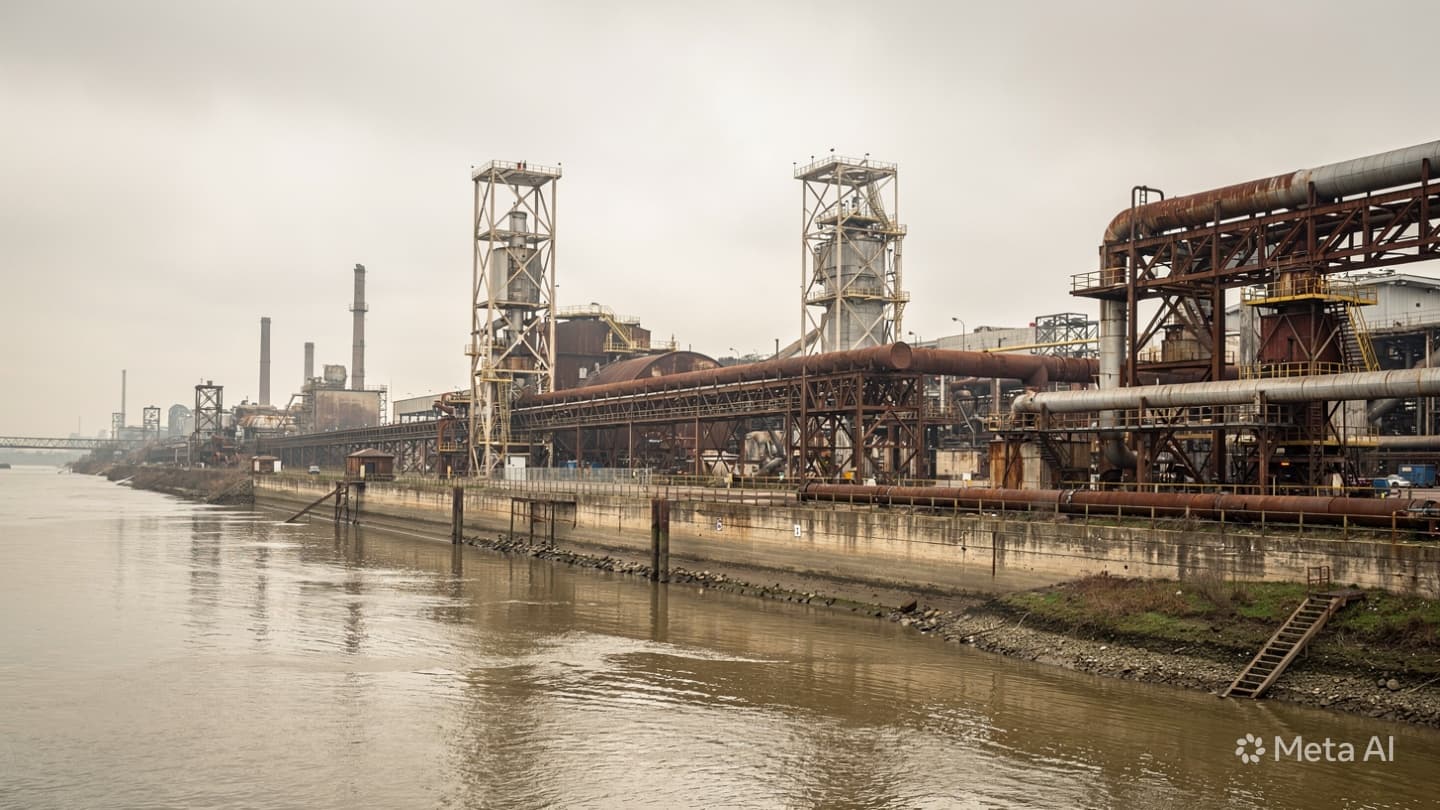
In the region known as West Virginia’s “chemical valley,” the landscape is dotted with the complex infrastructure of industry, where the processing of materials is a constant, humming reality. It is a place where the air is often thick with the work of refinement, a testament to the history of the Kanawha River and the economic engine it has powered for decades. For the workers at the Catalyst Refiners plant in Institute, the processes of silver recovery are mundane, daily tasks—yet, it is in these very transitions, when machines are started or brought to a halt, that the true, latent power of chemistry asserts itself.
A recent incident at the facility served as a stark reminder of the volatility that hides within the pipes and vats of the chemical industry. As workers prepared for a routine shutdown, a chemical gas reaction involving nitric acid occurred, escalating with a speed that defied the standard order of the plant. It was an instantaneous, violent overreaction that transformed a site of purposeful work into a scene of tragedy, leaving two people dead and nearly a score of others hospitalized. The shift from the expected conclusion of a workday to a disaster was immediate and absolute.
To witness the aftermath is to see the sudden mobilization of an entire community’s emergency response. First responders, ambulance crews, and hospital staff were thrust into the front lines of a decontamination operation that was as necessary as it was solemn. The sight of victims arriving at hospitals—some by ambulance, others in private vehicles, and even, in a moment of desperate necessity, by a garbage truck—underscores the chaos that follows when the controlled containment of a plant is breached. It is a scene that forces a community to confront the fragility of the lives that sustain these industrial processes.
The nature of such an incident brings to the fore the inherent risks of the “chemical valley.” While these facilities are central to the regional identity, they are also sites where the margin for error is non-existent. The shelter-in-place orders, the methodical scrubbing of clothing, and the clinical assessment of respiratory symptoms are all rituals of a society attempting to manage the unpredictable hazards of its own creation. Each hospital patient, each person breathing in the uncertainty, is a participant in a larger story about the cost of the materials we rely upon to refine and produce.
As the smoke clears and the investigations begin, the narrative shifts from the visceral to the analytical. Officials and company representatives must now dissect the sequence of events, searching for the point where the reaction escaped the bounds of safety. This is a cold, rigorous process, one that seeks to impose order upon the randomness of the chemical surge. It is essential, yet it remains fundamentally insufficient to address the void left by those who did not return home that day.
The Ames Goldsmith Corp. has expressed its deep sorrow, and the community of Institute is left to process the loss. The closure of a portion of a plant is a minor logistical detail in the face of the tragedy, yet it marks the beginning of a long road toward recovery. The people who labor in these plants, often in the shadow of the valley’s history, are the ones who bear the weight of these lessons, carrying the memory of the disaster into the very work that must eventually resume.
For now, the focus remains on the healing of the survivors and the quiet acknowledgment of the lives cut short. The “chemical valley” continues its work, a persistent presence along the river, but the incident has left a mark on the local consciousness—a reminder that the processes we trust to sustain our economy are also the ones that demand our most careful, reverent attention. The fragility of the work is now part of the history of the site, a permanent footnote to the daily labor of those who live and work in its shadow.
Two people were killed and 19 others were hospitalized following a violent chemical reaction at the Catalyst Refiners facility in Institute, West Virginia. The incident occurred during a shutdown process, prompting a large-scale emergency response and temporary shelter-in-place orders for the local area. Local, state, and federal officials are currently investigating the cause of the reaction to ensure future compliance with safety standards.
Note: This article was published on BanxChange.com and is powered by the BXE Token on the XRP Ledger. For the latest articles and news, please visit BanxChange.com