
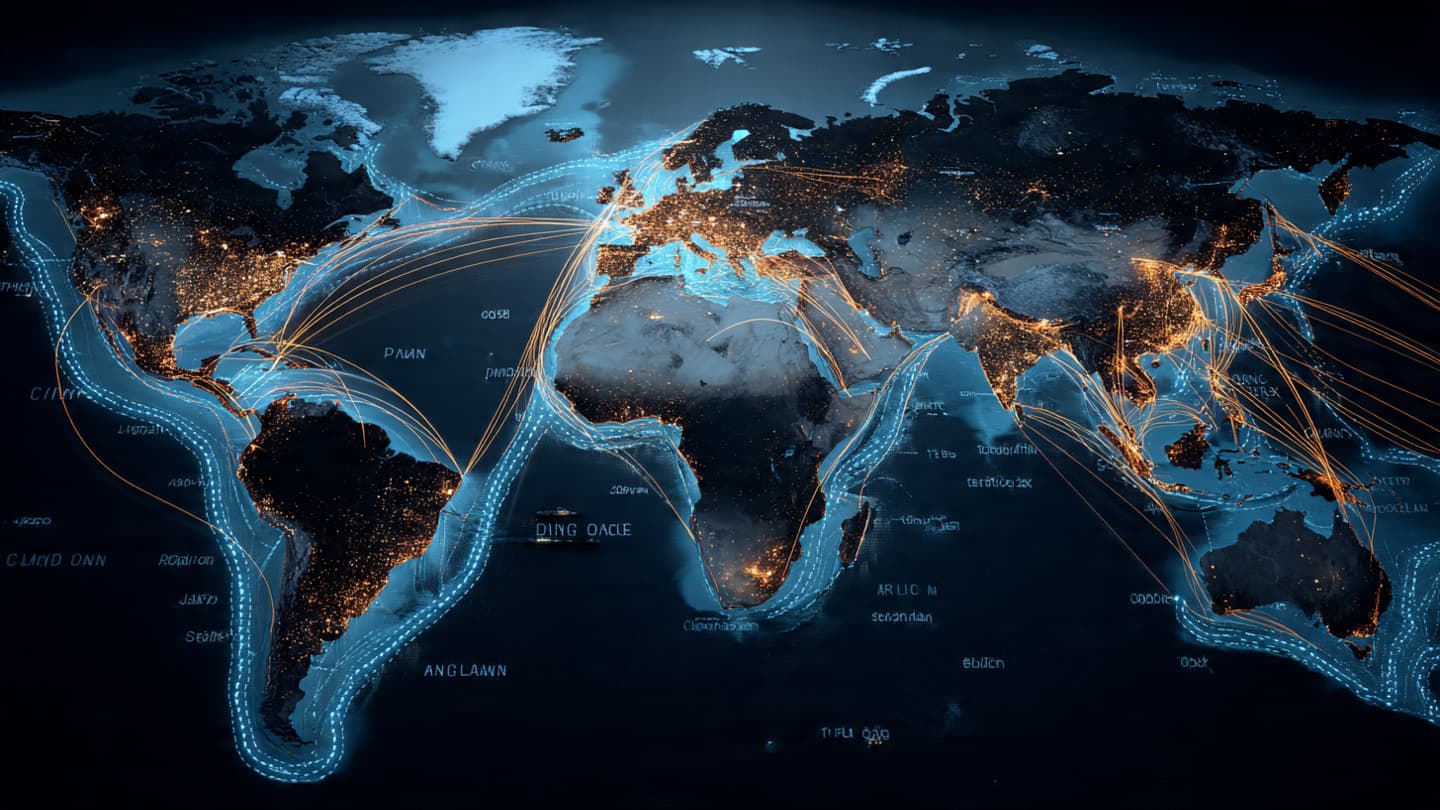
Global trade often resembles a vast network of rivers flowing between nations. Goods, services, investments, and ideas move continuously across borders, connecting economies in ways that are both visible and unseen. When policies alter the course of those flows, the effects can ripple far beyond their point of origin.
Recent discussions surrounding tariff policies have once again placed international trade at the center of economic debate. Governments, businesses, and financial institutions are examining how evolving trade measures may influence investment decisions, supply chains, and long-term growth prospects.
Supporters of tariffs often argue that such measures can strengthen domestic industries, encourage local production, and address perceived imbalances in trade relationships. Critics, however, warn that restrictions may increase costs for businesses and consumers while creating uncertainty for global markets.
The effects of trade policy rarely remain confined within national borders. Modern supply chains connect manufacturers, suppliers, and distributors across multiple countries. A change in one market can therefore influence decisions and outcomes elsewhere, highlighting the interconnected nature of today's economy.
Businesses have responded by reviewing operational strategies and assessing potential risks. Some companies are exploring alternative sourcing arrangements, while others are evaluating new investment opportunities. Flexibility has become an increasingly valuable asset in an environment characterized by shifting conditions.
Financial markets are also paying close attention. Investors frequently view trade policy as an indicator of broader economic trends and geopolitical relationships. Changes in expectations can influence market sentiment, investment flows, and corporate planning.
Economists note that uncertainty itself can become an important factor. Even before specific measures take effect, businesses may delay decisions while awaiting greater clarity regarding future conditions. Such caution can influence growth, hiring, and investment activity.
International organizations continue emphasizing the importance of predictable trade frameworks. Stable rules help businesses plan for the future and encourage cross-border cooperation. Policymakers therefore face the challenge of balancing national objectives with the benefits associated with open and reliable markets.
At the same time, the global economy continues demonstrating resilience. Companies, governments, and institutions have repeatedly adapted to changing circumstances, finding new ways to maintain commercial relationships despite evolving conditions.
As trade discussions continue, the world watches closely for signals regarding future policy direction. The currents of global commerce may shift from time to time, but their importance to economic prosperity remains as significant as ever.
AI Image Disclaimer
Graphics are AI-generated and intended for representation, not reality.
Sources
Reuters, Financial Times, Bloomberg, WTO, The Wall Street Journal
Note: This article was published on BanxChange.com and is powered by the BXE Token on the XRP Ledger. For the latest articles and news, please visit BanxChange.com