
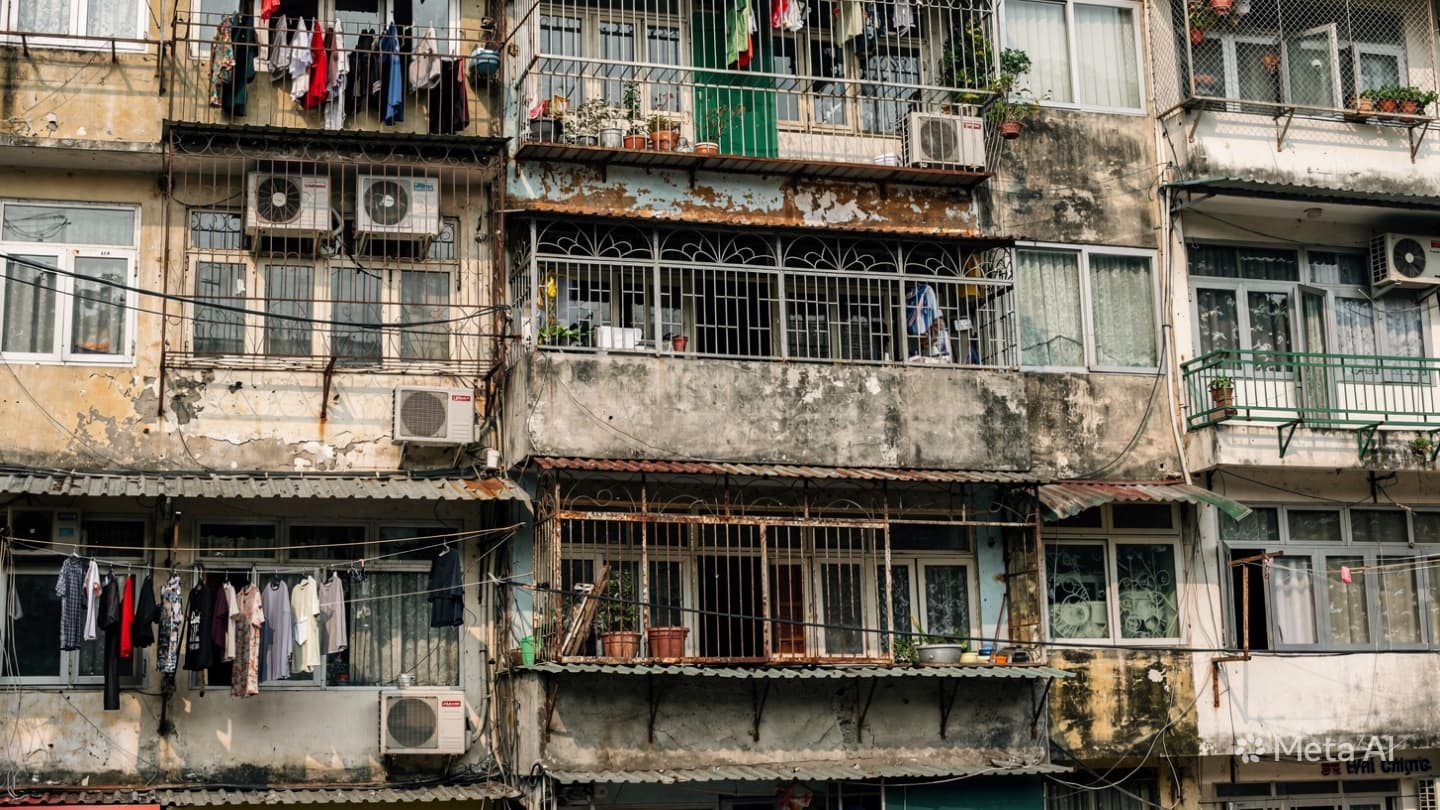
Hanoi is a city of intricate layers, where the historical architecture of the old quarter meets the ascending steel and concrete of a modern, expanding metropolis. Within this density, life is lived in close proximity, a stacked existence where the walls of our homes are the only thin barrier between our private worlds and the vibrant pulse of the city. Yet, it is within these very structures that a tragedy can manifest with a speed that defies our ability to react, turning a place of refuge into a source of profound sorrow.
A recent fire in a residential building has brought this reality into stark focus, leaving two souls lost to the sudden encroachment of heat and shadow. In the cramped, interconnected environments of Hanoi’s urban neighborhoods, such incidents are not merely personal; they are communal events that ripple through the floors and the street-level life below. The sudden appearance of smoke, curling through the windows and corridors, signals a breakdown of the safety we assume resides behind every locked door.
The response from the city’s emergency services was immediate, a testament to the preparedness required in such a dense environment. As the sirens cut through the ambient noise of the evening, the residents were met with the harsh reality of the fire’s progress. The struggle to contain the blaze, to reach those trapped within, and to secure the perimeter was a narrative of intense, focused effort conducted under the pressure of time and fading visibility.
In the aftermath, the investigation into the cause of the fire begins to unfold, with experts scanning the charred remnants for clues. It is a clinical process, necessary for understanding the mechanics of the event, but it serves as a cold contrast to the warmth that once occupied those spaces. Every piece of evidence gathered from the soot and the melted structures is a reflection of a life interrupted, a story cut short by the arbitrary nature of the flame.
Hanoi’s urban evolution has brought with it significant challenges in fire safety, particularly within the older, more densely populated districts. The incident serves as a quiet call for a reassessment of how we integrate safety into the heart of our homes. It is not a call for alarm, but for a mindful, reflective approach to the environments we build for ourselves, ensuring that the walls we inhabit remain truly protective.
As the building stands now, marked by the scars of the fire, it remains a silent witness to the night’s events. The city around it continues its relentless rhythm—the motorbikes drift by, the street vendors open their stalls, and the hum of conversation resumes. Yet, for those residing within the building, the air has changed, becoming heavy with the weight of the loss and the difficult task of rebuilding a sense of security.
The resilience of the people in such moments is remarkable, a quiet dignity in the way they support one another through the immediate trauma. It is a communal effort to move forward, a shared recognition that the loss is a part of their collective history. The city is a mosaic of such experiences, a complex layering of joy, sorrow, and the ongoing, persistent effort to make a home in the midst of the chaos.
As the sun rises over the capital, the focus shifts toward the long-term process of healing. The fire may be extinguished, but the narrative of the event will be woven into the fabric of the community’s shared memory. It serves as a reminder to cherish the fleeting nature of our domestic peace and to remain aware of the fragility that sits at the very center of our lives, quiet and often unseen.
Note: This article was published on BanxChange.com and is powered by the BXE Token on the XRP Ledger. For the latest articles and news, please visit BanxChange.com