
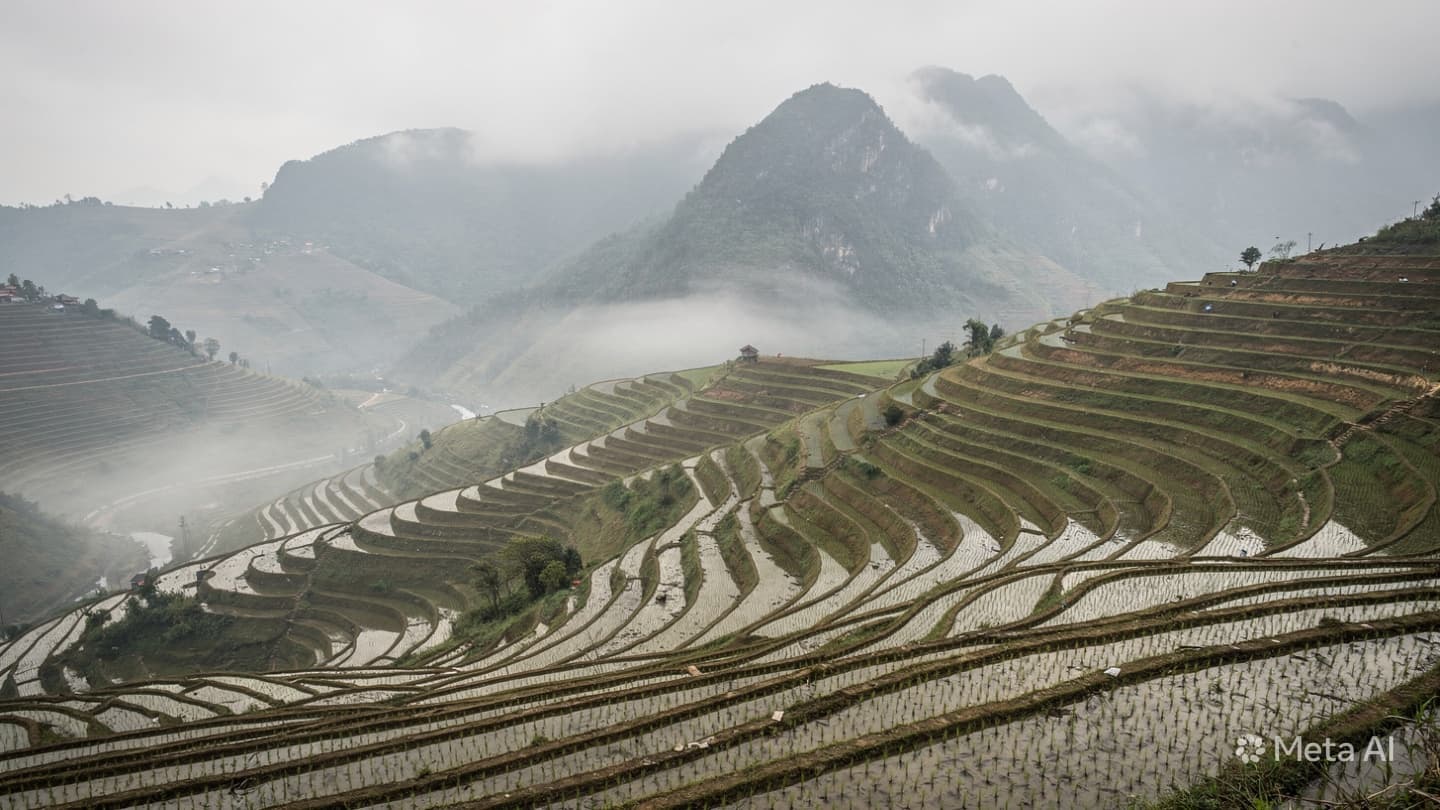
The Northern Highlands of Vietnam are a landscape of profound beauty, where terraced fields climb toward the sky and the mist clings to the ridges like a soft, permanent veil. It is a region defined by its deep connection to the cycle of rain and soil, a place where life moves according to the tempo of the seasons. Yet, there are times when this rhythm is disrupted, when the clouds surrender their bounty in a manner that the land can no longer contain, turning the gentle streams into powerful, unforgiving torrents.
Recent reports from the region describe the emergence of flash floods, a manifestation of the environment’s raw power that cuts across the tranquility of the mountain villages. As the water descends from the heights, it brings with it a chaotic energy that defies the carefully cultivated order of the hillside communities. The sound of the rising river, usually a soothing presence in the background of daily life, becomes a roar that signals a fundamental change in the landscape.
Three lives have been claimed in this latest surge, a loss that resonates deeply within the tight-knit fabric of the highland settlements. The search and rescue operations, currently underway, are a testament to the resilience of those who call these mountains home. Amidst the mud and the debris, there is a coordinated effort to locate the missing and to provide aid to those whose homes have been impacted by the sudden arrival of the river.
The geography of the Highlands is complex, with narrow valleys and steep inclines that can accelerate the movement of water with terrifying speed. When the sky opens, the land does not just absorb the rain; it redirects it, channeling the deluge through the very places where people live and labor. It is a reminder that in such terrain, the boundary between the cultivated and the wild is always in flux, governed by the unpredictable nature of the weather.
As the authorities assess the extent of the damage, the focus remains on the immediate needs of the affected families. The logistical challenges of reaching these remote areas are significant, yet the spirit of cooperation continues to drive the efforts forward. Each path cleared and each bridge assessed is a small victory against the overwhelming force of the water, a quiet assertion of human endurance in the face of environmental unpredictability.
This event, while localized in its immediate impact, invites a broader reflection on the changing climate and its influence on the mountainous regions. The patterns that once held steady are increasingly subject to extremes, forcing communities to adapt to a reality that is as fluid as the rivers themselves. It is a slow, challenging process of learning to live alongside these forces, respecting the power of the landscape while striving to safeguard the lives within it.
As the rescue operations persist, the Highlands remain under a veil of uncertainty. The rain may pause, but the memory of the flood will remain etched in the soil and the stories of the people. It is a chapter that highlights the vulnerability of the region, yet it also serves as a testament to the solidarity that emerges when the land itself seems to turn against its inhabitants.
In the quiet hours following the peak of the floods, the mountain air remains thick with the scent of damp earth and urgency. The recovery will be long, involving not just the restoration of homes but the gradual healing of a community shaken by the suddenness of the loss. The Highlands, timeless and enduring, will continue to exist, but they have been marked by this event, a sobering reminder of the power inherent in the world we share.
Note: This article was published on BanxChange.com and is powered by the BXE Token on the XRP Ledger. For the latest articles and news, please visit BanxChange.com