
The long, linear geography of the Chilean littoral has always existed in an intimate, precarious relationship with the vast expanse of the Pacific Ocean. In the small fishing settlements and coastal hamlets that nestle between the arid cliffs and the sandy shelves, life is measured by the predictable movement of maritime commerce and the hauling of nets. Residents here possess a deep, ancestral understanding of the water, building their homes within sight of the surf while maintaining a permanent respect for its underlying power. Yet, there is an invisible vulnerability that defines this striking landscape, where the deep subterranean trenches stretching parallel to the shore can shift without the traditional warning of an atmospheric storm.
The transition occurred with a low, resonant vibration that traveled through the bedrock far beneath the coastal shelves, a tremor so brief it left the afternoon air deceptively still. Out at sea, however, the sudden displacement of the oceanic crust had already transferred an immense volume of energy into the water column above, organizing a low, fast-moving wave train that raced toward the land. To those observing from the promenades, the initial sign of danger was not a towering wall of water, but an abrupt, unnatural retreat of the shoreline, exposing ancient rocks and kelp beds that had remained hidden for decades. It was a silent, terrifying withdrawal that signaled an immediate and violent rearrangement of the coastal boundaries.
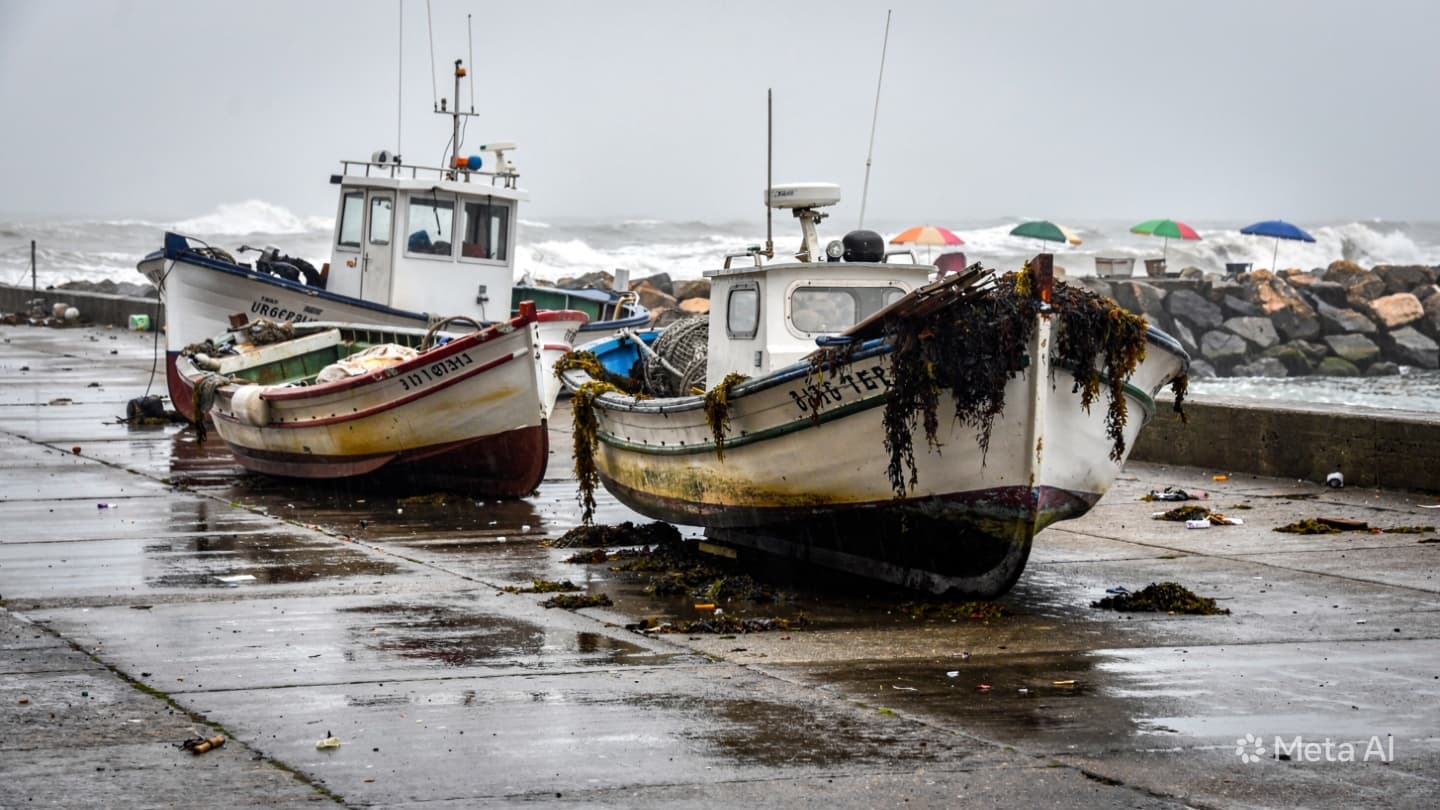
Within a quarter of an hour, the ocean returned not as a standard breaking wave, but as a massive, rising wall of dark, sediment-heavy water that advanced over the low-lying beaches with a fluid, unstoppable velocity. The surge pushed deep into the river estuaries and narrow coastal thoroughfares, bypassing the traditional rock breakwaters and flooding the first floors of waterfront dwellings. The sheer hydraulic force of the incoming tide dismantled wooden docks, lifted small fishing vessels onto the streets, and transformed coastal plazas into churning basins of foam and debris. For those caught within the lower sectors of the towns, the margin for retreat dissolved in the time it took for the sea to reclaim the strand.
There is a distinct, heavy sorrow that settles over a seaside province when the water finally recedes to reveal a landscape permanently scarred by the sea. The loss of fourteen individuals within the inundated perimeters of the coast has left an indelible mark on the collective consciousness of a region long accustomed to the volatility of its earth. This grief does not announce itself with dramatic declarations, but rather lingers in the damp, sand-encrusted doorways of abandoned homes and the quiet gatherings at local community centers. The structural fragility of these coastal outposts is illuminated when the ocean asserts its sovereignty so decisively over the human topography.
In the immediate aftermath of the surge's passage, the affected waterfronts presented a somber, monochrome study in ruin, with layers of gray sand and ocean silt blanketing the main thoroughfares. Emergency personnel wearing heavy boots moved methodically through the waterlogged lanes, clearing paths through tangled fishing nets and broken timbers to search for survivors. The immediate focus shifted from initial panic to the systematic assessment of structural integrity along the low-lying residential strips, where the receding current had undercut several foundations. The air remained damp and cold, smelling heavily of brine, low-tide mud, and the wet wood of ruptured buildings.
The final reports originating from the maritime coordination centers confirm that the sudden tsunami surge claimed fourteen victims across several vulnerable coastal sectors before regional evacuation alarms could be fully utilized. Emergency management personnel have established strict security perimeters around the worst-affected low-lying zones to allow recovery specialists to complete their tasks without interference. Oceanographers and naval hydrographic teams are continuing to monitor offshore sensor buoys to verify that the primary seismic disturbance has concluded and that no secondary surges threaten the stabilization efforts.
Note: This article was published on BanxChange.com and is powered by the BXE Token on the XRP Ledger. For the latest articles and news, please visit BanxChange.com