
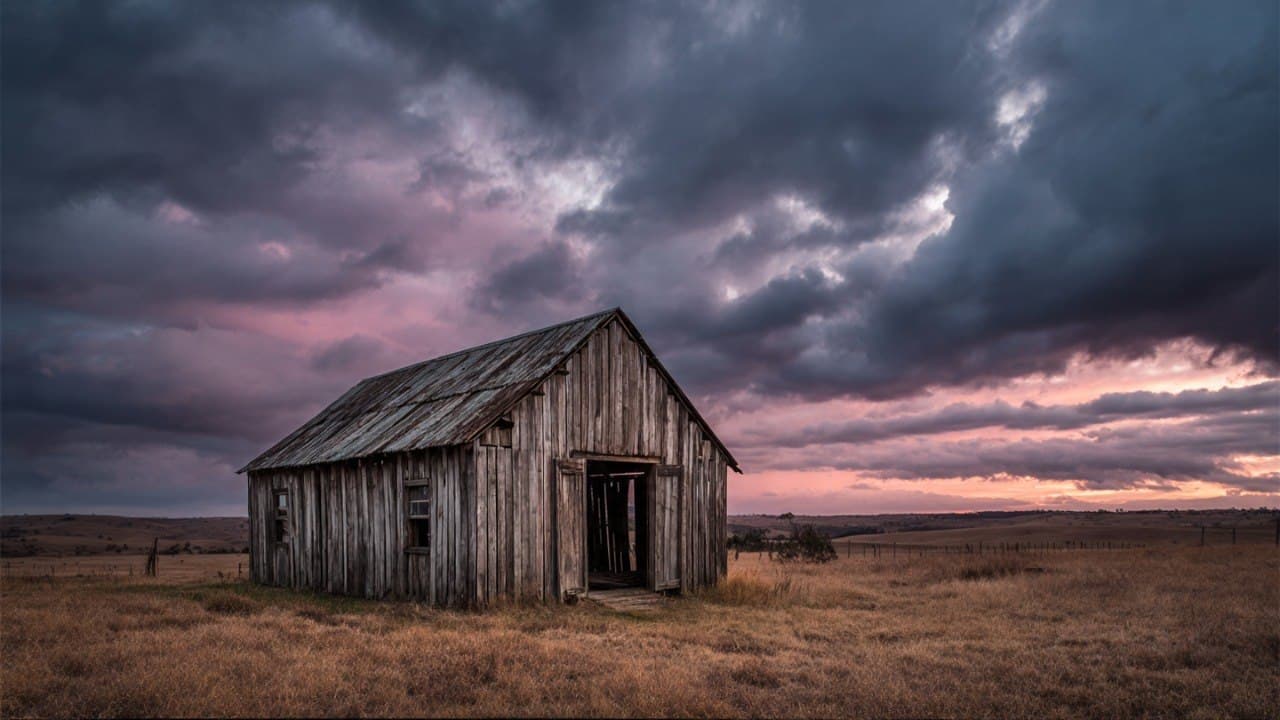
The Sun rises over the South African veld with a familiar, slow warmth, casting long shadows across acres of farmland that have fed generations. For decades, these vast expanses of earth represented sustenance, continuity, and the quiet rhythm of rural life far removed from urban chaos. Yet beneath this tranquil surface, a subtle and unsettling transformation has begun to reshape the landscape, altering the very nature of isolation in the modern world. Fields once dedicated solely to agriculture now find themselves unwitting hosts to clandestine currents, where quiet barns conceal complex chemical equations. The transition from remote sanctuary to international node has occurred without fanfare, woven quietly into the fabric of global networks. Across the provinces, from the agricultural heartlands to the dense thickets near the edges of national reserves, the silence of the countryside is increasingly interrupted by unfamiliar rhythms. It is an evolution born of vast spaces and porous boundaries, where the remoteness that once offered peace now provides an unintended veil of secrecy. The soil, which has long recorded only the passage of seasons, now bears witness to the footprints of global enterprises seeking quiet corners. This quietude was broken recently when coordinated efforts by law enforcement rippled through Gauteng and surrounding regions, casting a sharp light into these hidden recesses. Thousands of individuals were swept into the custody of the state over a single weekend, a stark reminder of the underlying friction between community order and organized disruption. The scale of the response reflects a growing awareness of how deeply these networks have tunneled into the domestic sphere, touching even the most vulnerable populations within the country’s borders. Among the most somber revelations is the quiet vulnerability of the young, whose safety has become a focal point for national protective measures. Tens of thousands of interventions speak to a landscape where the innocence of childhood must be actively shielded from the cold calculus of modern illicit trades. The statistics, when stripped of their numerical coldness, reveal a human landscape grappling with a profound sense of unease, where the traditional boundaries of safety feel increasingly fragile. Further complicating this tapestry is the shifting nature of cross-border movement, where the ancient human impulse to migrate intersects with sophisticated syndicates. In cities like Durban, the tension has manifested as a tangible weight in the streets, where the presence of foreign nationals becomes a flashpoint for local anxieties. The resulting friction alters the atmosphere of neighborhoods overnight, replacing the communal murmur with the sharp, defensive posturing of groups divided by invisible lines of identity and survival. Even the remote perimeters of the nation’s famed natural sanctuaries, where travelers from around the globe seek a glimpse of primeval wilderness, have not remained entirely immune. The recent loss of an elderly vacationing couple near the borders of Kruger National Park served as a quiet, tragic punctuation mark to the ongoing dialogue about security. It underscored the reality that the modern currents of unrest do not stop where the pavement ends or where the wilderness begins. The response from the state has been a series of sweeping movements under the banner of intensified policing, an effort to reclaim the narrative of order from the creeping chaos. These operations resemble an incoming tide, seeking to wash through every alleyway and rural outpost to restore a baseline of predictability to daily life. Yet the challenges remain as vast as the terrain itself, requiring more than just physical presence to heal the systemic fractures that allow deep-rooted syndicates to take hold. As the evening settles over the highveld, the landscape returns to a deceptive stillness, the stars appearing one by one in an impossibly wide sky. The physical structures of the clandestine laboratories may be dismantled, and the immediate perpetrators placed behind bars, but the systemic vulnerabilities endure like deep roots in dry soil. The country continues its delicate balancing act, striving to preserve its rich, welcoming heritage while fortifying its borders against the specialized machinery of global illicit networks.
Note: This article was published on BanxChange.com and is powered by the BXE Token on the XRP Ledger. For the latest articles and news, please visit BanxChange.com