
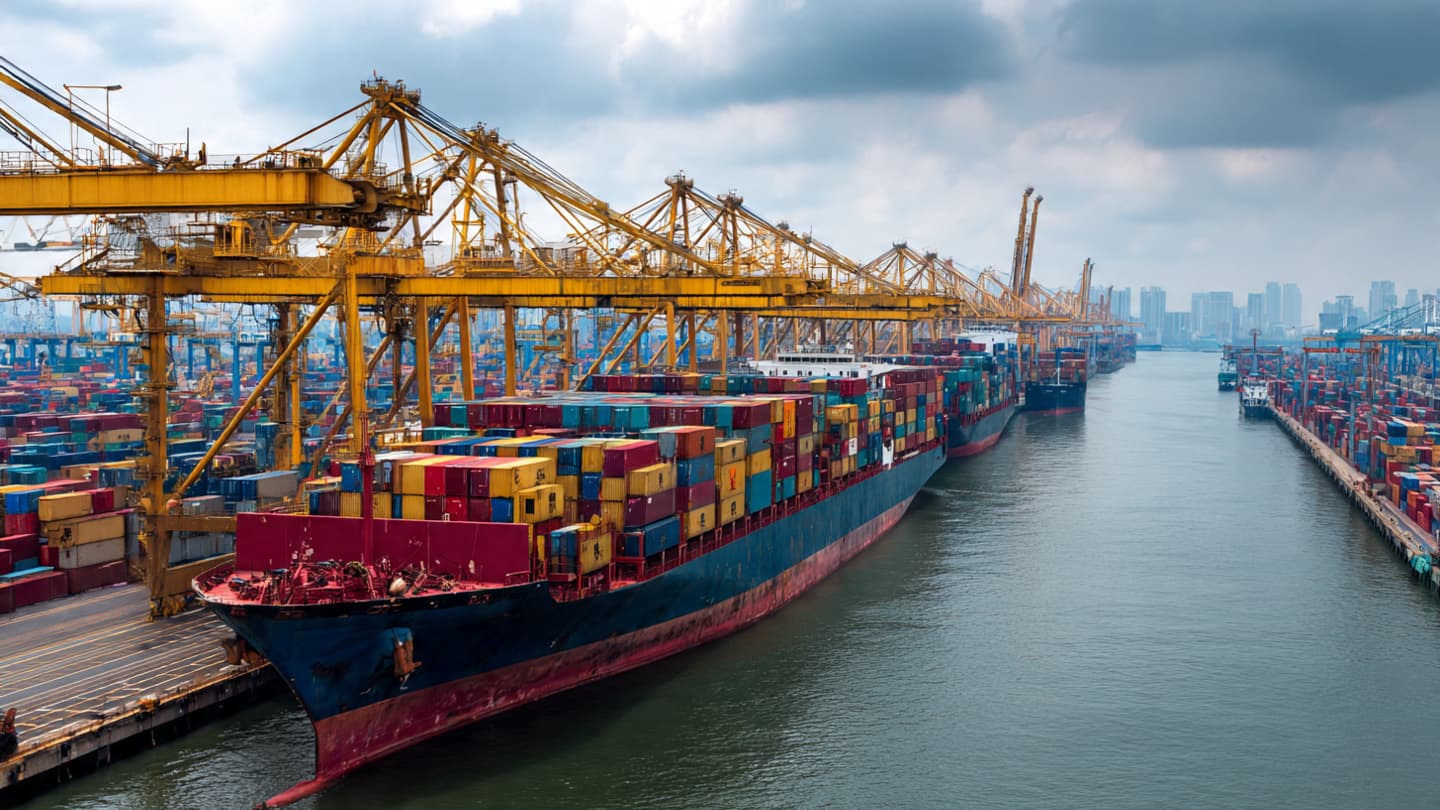
Global trade often moves like a long river, shaped not only by economics but also by influence, diplomacy, and strategic timing. Across continents, tariffs and trade agreements can quietly alter political relationships as much as they reshape markets. In a significant economic move, China announced the elimination of tariffs on imports from many African countries, a decision widely viewed as part of Beijing’s broader effort to strengthen influence across the continent amid growing geopolitical competition with the United States.
Chinese officials described the policy as a measure intended to deepen economic cooperation and expand opportunities for African exporters entering the Chinese market. The move affects a wide range of goods, including agricultural products, raw materials, and manufactured items from eligible African nations.
Analysts say the decision arrives during an increasingly competitive period in global diplomacy, particularly as China and the United States continue vying for economic and political influence in developing regions. Trade policy has become one of the key instruments in that competition, alongside infrastructure investment, development financing, and technology partnerships.
Africa has become especially important in this evolving geopolitical landscape. The continent’s growing population, expanding markets, and vast natural resources have attracted major international interest over the past two decades. China has already established itself as one of Africa’s largest trading partners through infrastructure projects, loans, and investment initiatives linked to the Belt and Road Initiative.
Observers note that tariff reductions may help certain African exporters gain improved access to China’s enormous consumer market. Countries reliant on agricultural exports or mineral resources could benefit from reduced trade barriers, though economists caution that long-term gains will depend on production capacity, infrastructure, and balanced trade relationships.
At the same time, critics of China’s economic engagement in Africa have raised concerns regarding debt sustainability, resource dependency, and the unequal balance of some trade arrangements. Chinese officials reject those criticisms, arguing that Beijing’s partnerships emphasize mutual development and respect for national sovereignty.
The timing of the announcement has also drawn political interpretation because of ongoing tensions between Beijing and Washington. Analysts suggest China may be attempting to strengthen alliances and economic goodwill abroad as American trade policies under Donald Trump continue influencing global markets and diplomatic relationships.
For now, African governments are likely to evaluate the opportunities and challenges connected to the expanded access. The broader significance of the decision extends beyond tariffs alone, reflecting how international trade increasingly serves as both an economic tool and a form of geopolitical strategy.
AI Image Disclaimer: Some visuals accompanying this article may contain AI-generated illustrations designed for economic and geopolitical reporting.
Sources: Reuters, Bloomberg, BBC, Financial Times, Al Jazeera
Note: This article was published on BanxChange.com and is powered by the BXE Token on the XRP Ledger. For the latest articles and news, please visit BanxChange.com