
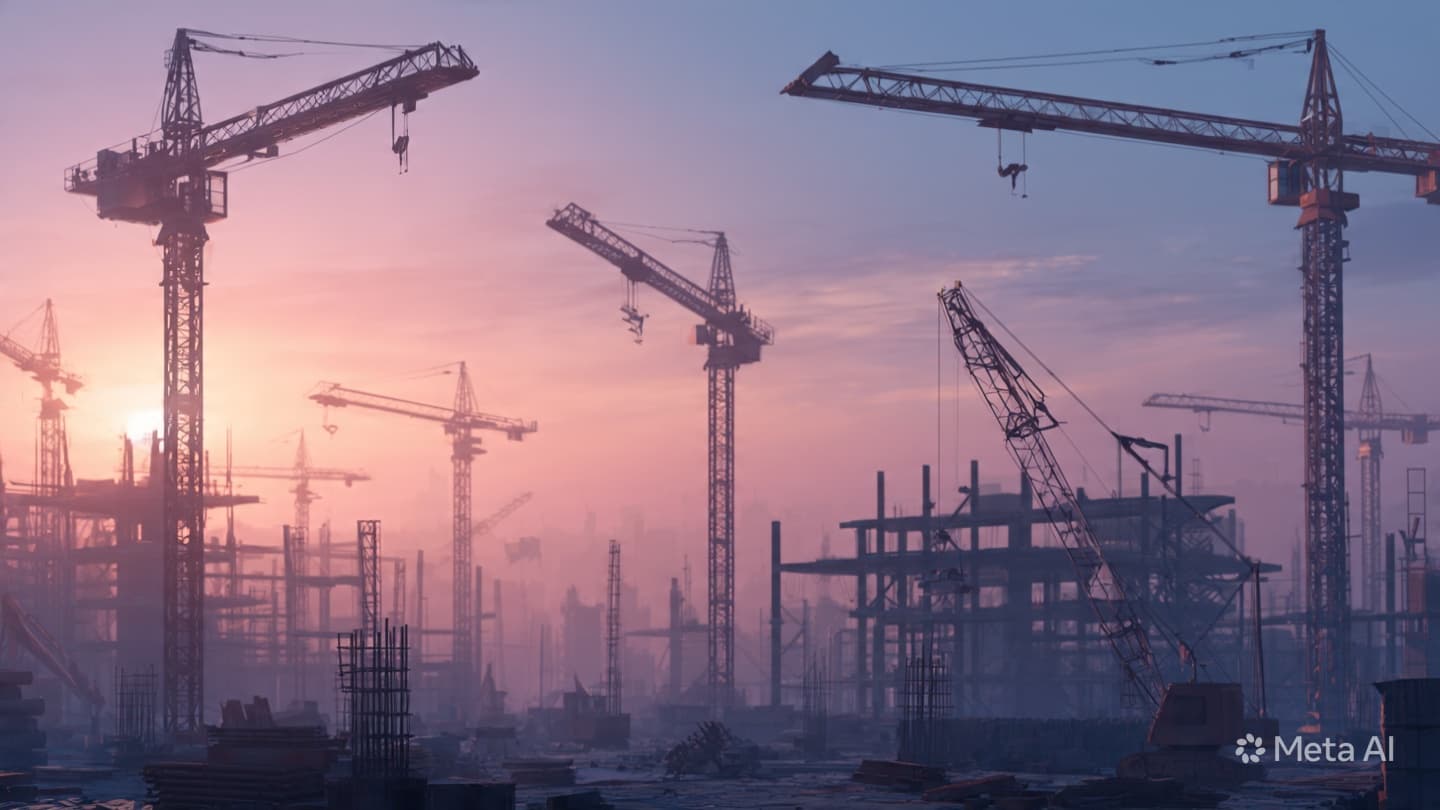
The construction site at dawn is a landscape of immense potential, a quiet assembly of skeletal structures waiting for the pulse of the day to bring them to life. Beneath the sprawling cranes and the arranged stacks of steel, there is a rhythm of order—a promise that every bolt and beam has its place in the grand design of the city’s expansion. Yet, when the heavy equipment that anchors this progress vanishes under the cover of darkness, the disruption is more than just a matter of machinery. It is a profound, jarring displacement, a fracture in the steady, forward motion of urban development that leaves only silence and cold, empty foundations behind.
The gang involved in the theft of such massive assets operates with a chilling, detached efficiency, viewing the symbols of progress as mere objects to be extracted and moved. They navigate the geography of the industrial zone with a familiarity that suggests a deep, unsettling knowledge of the cracks in our security. For these individuals, the heavy steel of a crane or the engine of a bulldozer is not a tool for creation, but a currency for the shadow market. They work in the periphery, taking advantage of the moments when the site is at its most vulnerable, turning the pride of the developer into the contraband of the illicit dealer.
When the police descend to dismantle such a network, it is a restoration of the boundary between the productive and the predatory. The investigation is a study in tracking, a meticulous pursuit that requires the officers to follow the trail of heavy equipment across provincial lines and into the complex, opaque layers of the black market. There is a weight to their duty; they are not merely recovering stolen property, but are working to preserve the sanctity of the construction process itself. Every arrest acts as a structural reinforcement, a signal that the integrity of the urban project cannot be so easily compromised.
The aftermath of such a crackdown leaves the construction site different than it was before, perhaps quieter, but also more watchful. The stolen equipment, once reclaimed, carries the story of its journey—a narrative of theft, transport, and the eventual, necessary return to the site of its intended purpose. It is a process of stabilization, a quiet affirmation that the tools of progress belong to the builders, and that the order of the industrial landscape is a standard that the law is committed to upholding. The stolen, once recovered, loses its illicit aura and returns to the mundane, productive life of a machine.
In these moments of resolution, there is a reflection on the nature of theft in an age of infrastructure. We build on an unprecedented scale, transforming the land with a speed that often outstrips our ability to monitor every moving part. The vulnerability of the industrial site is a reflection of our own ambition, a consequence of the relentless desire to expand the built environment. The police, acting as the quiet guardians of this expansion, understand that their work is never truly finished; it is a cycle of vigilance, a constant calibration of security against the evolving methods of those who would profit from the dismantling of the city.
The legal proceedings that follow the arrest of such a gang are characterized by a formal, necessary coldness. Authorities have systematically dismantled the syndicates responsible, tracing the logistical chains from the point of theft to the secondary buyers who facilitate the illicit trade. Recent operations have been bolstered by enhanced site surveillance and a coordinated, cross-agency approach to protecting industrial assets. Judicial bodies continue to prioritize the prosecution of these crimes, recognizing that the security of our construction sectors is fundamental to the stability of the national economy.
Note: This article was published on BanxChange.com and is powered by the BXE Token on the XRP Ledger. For the latest articles and news, please visit BanxChange.com