
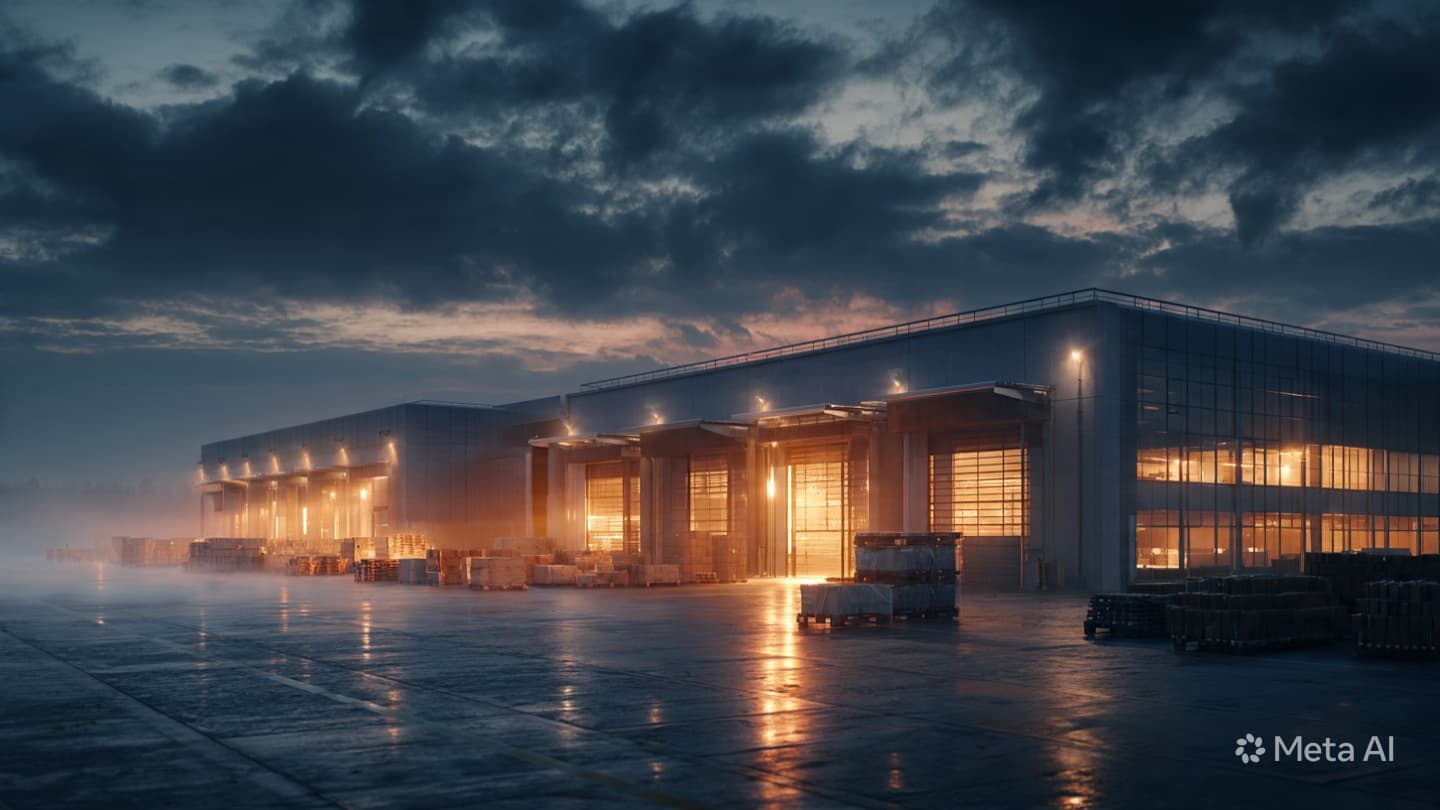
The international airport is a theater of motion, a place where the world arrives and departs in a blur of arrivals, departures, and the constant, silent exchange of goods. Within this high-velocity environment, the recent interception of illegal goods by customs officers serves as a reminder of the unseen architecture of regulation that governs our global connections. It is a moment of pause—a purposeful interruption in the flow of transit that reinforces the boundary between the permitted and the prohibited. The officers, working with a professional, quiet diligence, operate as the steady sentinels of this threshold, ensuring that the integrity of our borders is maintained amidst the relentless pace of modern travel.
The interception itself is not an event of grand spectacle, but one of meticulous scrutiny. It is the result of refined observation and the application of rigorous standards, where every manifest and every piece of cargo is subject to the analytical gaze of those trained to spot the subtle markers of irregularity. This work is a testament to the persistent, evolving nature of customs enforcement, a commitment to shielding the domestic environment from goods that exist outside the frameworks of legality and safety. By identifying these items before they cross the line into our community, the authorities are effectively neutralizing a risk before it has the opportunity to manifest.
For the traveler, the airport is a place of transit, but for the customs unit, it is a point of critical governance. Their presence is a reminder that the ease with which we traverse the globe is supported by a foundation of constant, professional vigilance. The investigation that follows an interception is a disciplined, methodical process, one that maps the path of the goods and seeks to understand the networks that facilitated their journey. It is a task of patience, ensuring that the resolution is based on the thorough pieceing together of evidence rather than the urgency of the moment.
The broader impact of these interceptions is a strengthening of the trust that underpins our participation in the global marketplace. When the public sees that the flow of goods is monitored with such clarity and professional restraint, it fosters a sense of security. It is a quiet, ongoing endeavor, a realization that the safety of our country is not a static condition, but one that is actively, gently maintained by those who stand at the points of entry. This work is the essential, understated bedrock that allows legitimate enterprise to flourish and global exchange to continue with the confidence we have come to rely on.
As the seized goods are processed and the airport returns to its natural, busy hum, the impact of the customs work remains a silent influence on the environment. The incident serves as a reinforcement of the rules that allow our interconnected world to function with coherence and order. Looking toward the future, the focus for the customs agencies is on the continued refinement of their screening processes, ensuring they keep pace with the changing landscape of international transit. It is a role of profound responsibility, one that is carried out with a professionalism that is as vital as it is understated. In the stillness of the airport terminal, the customs officers remain, the quiet sentinels of the gate.
Note: This article was published on BanxChange.com and is powered by the BXE Token on the XRP Ledger. For the latest articles and news, please visit BanxChange.com