
Diplomacy between nations often moves like a tide beneath dark water — sometimes calm on the surface, sometimes carrying tensions invisible until they suddenly rise into view. Relations between the United States and Iran have long followed that uncertain rhythm, shaped by decades of mistrust, sanctions, negotiations, and strategic confrontation. As discussions grow around Donald Trump’s future foreign policy direction, questions surrounding Iran once again stand near the center of international attention.
Political analysts and foreign policy observers are closely examining what a renewed Trump approach toward Iran could look like if his influence over American policy deepens further. Much of the speculation focuses on whether future strategy would prioritize economic pressure, renewed negotiations, military deterrence, or a combination of all three.
During Trump’s presidency, the United States withdrew from the 2015 Iran nuclear agreement, formally known as the Joint Comprehensive Plan of Action. The administration argued that the deal failed to sufficiently limit Iran’s regional activities and long-term nuclear capabilities. Following the withdrawal, Washington imposed extensive sanctions targeting Iran’s economy and oil exports.
Supporters of the “maximum pressure” strategy argued that economic sanctions weakened Iran’s financial capacity and increased leverage for future negotiations. Critics, however, contended that the collapse of diplomatic agreements increased regional instability and accelerated tensions surrounding Iran’s nuclear program.
The broader geopolitical landscape has also evolved since Trump first entered office. Conflicts in the Middle East, shifting energy markets, Israel-Iran tensions, and growing relationships between Iran, Russia, and China have created a more complicated strategic environment for any future American administration.
Foreign policy experts note that U.S.-Iran relations affect far more than bilateral diplomacy alone. Decisions involving sanctions, military deployments, and regional alliances can influence global oil markets, maritime security, and the stability of neighboring countries across the Gulf region.
At the same time, many analysts caution that campaign rhetoric and governing policy often differ once administrations confront practical realities. Domestic politics, allied governments, military advisors, and international negotiations frequently shape how foreign policy decisions ultimately unfold.
For now, the future direction of U.S.-Iran relations remains uncertain. Yet the continuing discussion reflects how deeply the relationship influences wider global politics, where diplomacy, deterrence, and economic pressure continue moving together through an increasingly fragile international landscape.
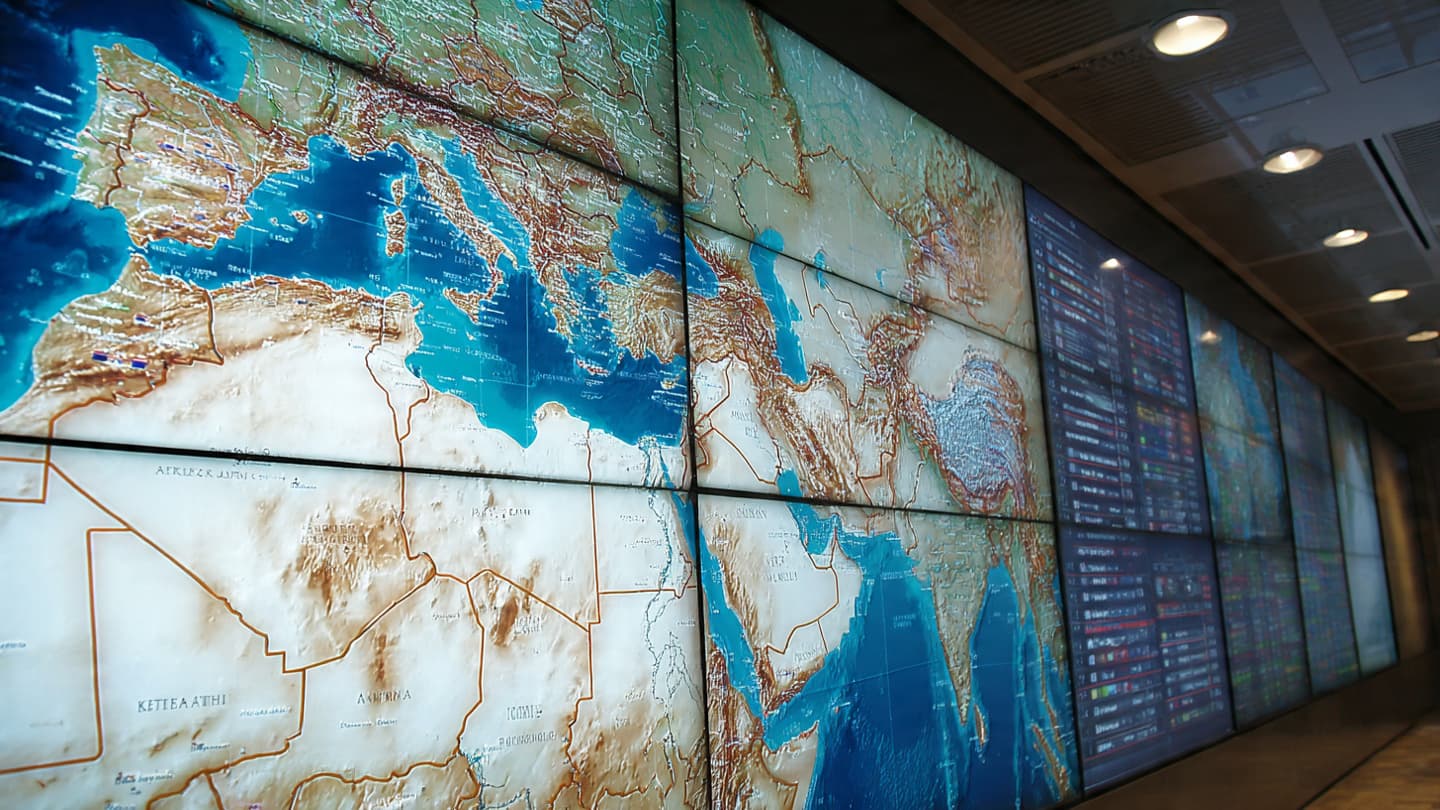
AI Image Disclaimer: Some visuals accompanying this report may include AI-generated illustrations intended for geopolitical news presentation.
Sources: Reuters, BBC, CNN, The New York Times, Al Jazeera
Note: This article was published on BanxChange.com and is powered by the BXE Token on the XRP Ledger. For the latest articles and news, please visit BanxChange.com