
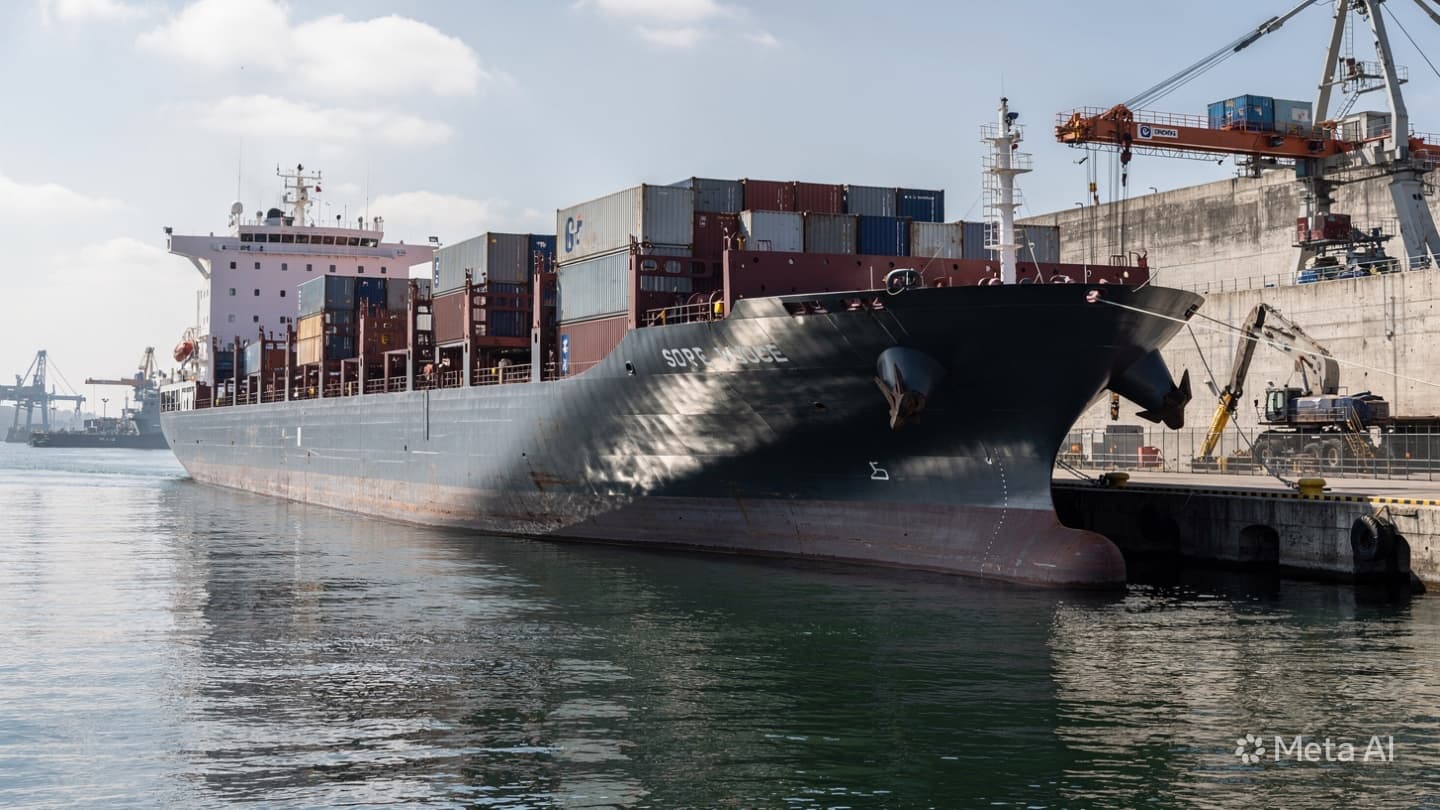
Kuala Lumpur, Malaysia—An organized gang of maritime pirates assaulted a commercial cargo supply ship operating in the southern shipping lanes before dawn. The attackers utilized high-speed skiffs to approach the slow-moving merchant vessel, scaling the hull using lightweight aluminum ladders. Maritime police officials confirmed that three crew members were fatally shot during the initial breach of the main deck.
The incident occurred precisely twelve nautical miles off the coast, just outside the standard patrol loop of the regional coast guard units. The targeted vessel was transporting specialized industrial components and high-grade diesel fuel to an offshore production platform. Investigators believe the raiders focused their assault entirely on the bridge and the captain’s secure quarters to disable the automated distress tracking system.
The slain crew members, all senior mechanical technicians, reportedly attempted to secure the lower engine room hatch to prevent the attackers from gaining complete control of the ship's propulsion. They were met with automatic weapon fire through the ventilation grates, dying on the steel gangway before secondary medical aid could be rendered. The remaining twelve crew members were bound with plastic ties inside the mess hall.
The pirate crew spent roughly ninety minutes transferring high-value freight and shipboard electronics to their own craft before fleeing into international waters. The ship’s automated emergency beacon was finally activated by the chief mate after he managed to break free from his restraints at sunrise. A naval patrol boat intercepted the drifting vessel four hours later.
A formal administrative briefing by the maritime enforcement agency stated that tactical teams are currently reviewing radar tracking logs from regional coastal stations. The speed and precision of the attack suggest the involvement of a well-funded syndicate that has been operating along the maritime chokepoints for several months. No suspects have been located in the nearby coastal villages.
The shipping company that owns the supply vessel released an official statement expressing deep condemnation of the high-seas violence but defended their decision not to carry private armed guards on domestic coastal routes. The firm noted that standard industry protocols rely on state naval patrols to guarantee safe passage within the territorial waters. That explanation has done little to satisfy local labor unions representing merchant mariners.
The cargo ship was towed into a secure naval berth late this afternoon for comprehensive forensic examination. Ballistics experts are recovering bullet fragments from the engine compartment bulkheads to identify the types of military-grade firearms used in the assault. The deck remains restricted as teams document the entry points utilized by the boarding party.
This latest high-seas homicide marks a significant escalation in regional maritime insecurity, threatening the stability of critical logistics corridors that service the offshore energy sector. Freight insurance companies are already reviewing premium rates for vessels operating in these specific quadrants, a move that could significantly drive up domestic shipping costs.
The families of the deceased mariners have arrived at the port town to receive the remains once formal post-mortem examinations are finalized by state physicians. Colleagues at the harbor front described the situation as an avoidable tragedy caused by a clear lack of consistent night-time naval surveillance.
The vessel remains moored under armed military guard while investigators complete the extraction of digital navigation data from the damaged bridge console. Naval aircraft have intensified their search sweeps over the northern waters, but the trailing indicators suggest the pirate skiffs have already reached foreign territory.
Note: This article was published on BanxChange.com and is powered by the BXE Token on the XRP Ledger. For the latest articles and news, please visit BanxChange.com