
In parts of southern Italy, the landscape carries a quiet contradiction. Fields once associated with farming and village life have, over decades, become linked to pollution, illness, and long-running environmental fears. In the region known as the “Land of Fires,” grief has settled slowly through communities affected by illegal toxic waste dumping and suspected health consequences tied to organized environmental crimes.
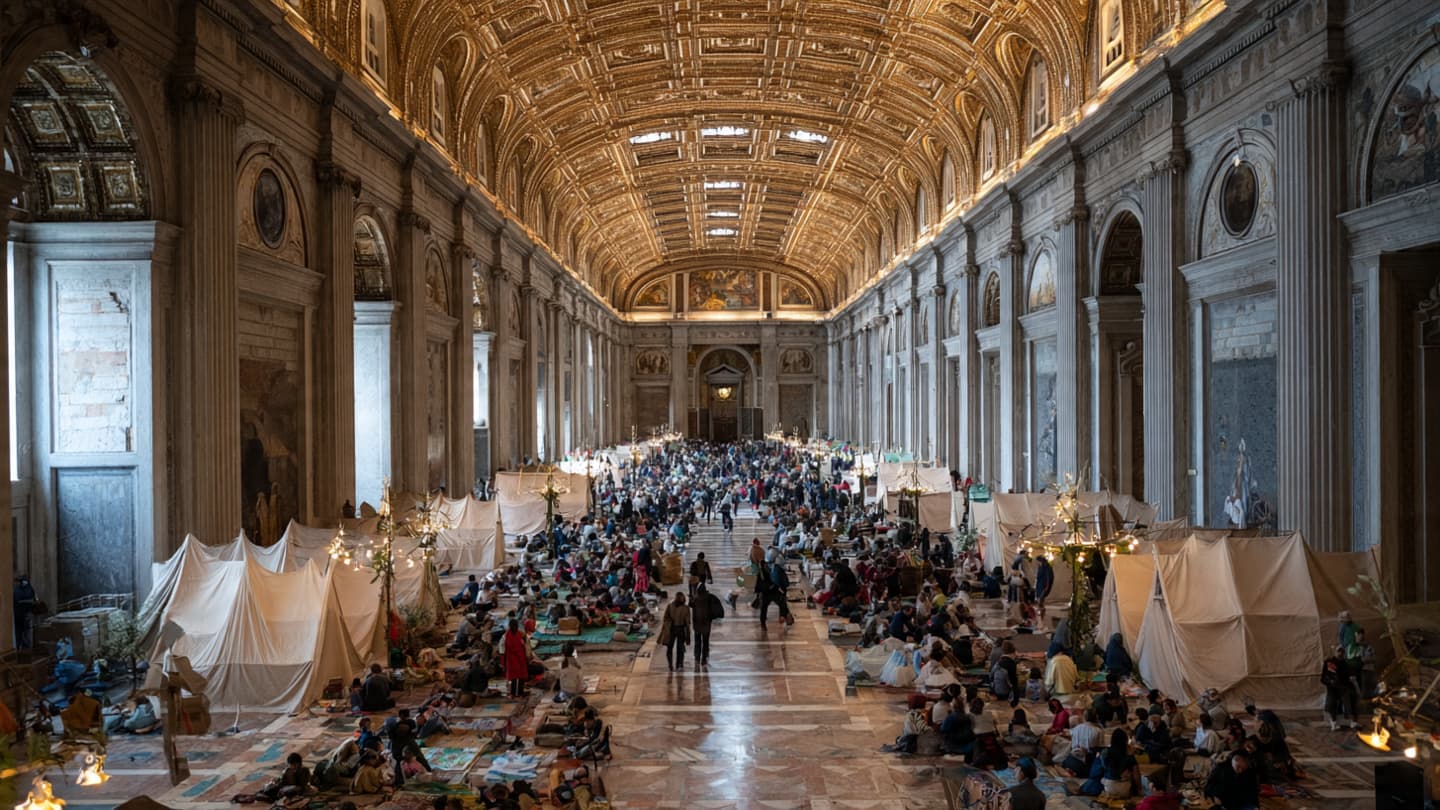
Pope Leo recently met with families who lost children and young relatives in the affected areas near Naples, offering prayers and solidarity during a gathering that drew attention to the continuing environmental and public health concerns surrounding the region. The meeting carried emotional weight for families who have spent years seeking recognition, accountability, and environmental cleanup efforts.
The “Land of Fires” refers to areas in Italy’s Campania region where illegal waste disposal and open burning of toxic materials have reportedly occurred for decades. Environmental groups and investigators have long linked criminal waste trafficking operations to organized crime networks that profited from dumping industrial waste improperly across rural land.
Residents and advocacy organizations have repeatedly expressed concerns about increased rates of cancer and other illnesses in nearby communities. Scientific studies and government investigations have examined possible links between pollution exposure and public health problems, though researchers continue debating the scale and direct causation of certain health impacts.
The Vatican meeting reflected broader concern within Italy over environmental justice and the human cost of pollution. Religious leaders, activists, and local organizations have frequently called for stronger cleanup operations, improved healthcare support, and stricter enforcement against environmental crimes.
Pope Leo’s remarks reportedly emphasized compassion for affected families while encouraging continued efforts to protect both human dignity and the natural environment. Environmental stewardship has increasingly become part of broader moral and social discussions within global religious communities, particularly regarding vulnerable populations.
Italian authorities have conducted investigations and remediation programs over the years, but many residents argue that progress has been uneven and too slow. Public frustration remains tied not only to pollution itself, but also to the perception that poorer communities carried disproportionate environmental risks for decades.
For now, the meeting at the Vatican served as both a symbolic gesture and a reminder that environmental crises are often deeply personal. Behind every investigation and policy debate are families still living with the consequences of decisions made years earlier beneath the soil of their communities.
AI Image Disclaimer: Certain visuals used alongside this article may include AI-generated representations of environmental and humanitarian scenes.
Sources: Reuters, Vatican News, BBC, La Repubblica, Associated Press
Note: This article was published on BanxChange.com and is powered by the BXE Token on the XRP Ledger. For the latest articles and news, please visit BanxChange.com