
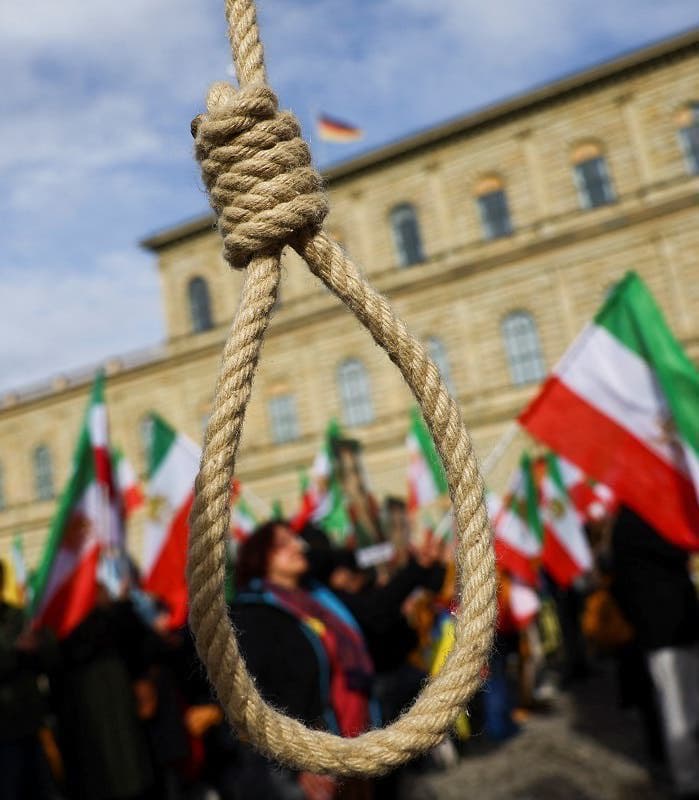
Iran has reportedly executed a man accused of providing intelligence information to the United States and Israel, a development that has intensified global attention on the already fragile geopolitical climate in the Middle East. The announcement rapidly spread across international media and social platforms, triggering widespread debate surrounding security, espionage, and regional stability. According to reports circulating online, Iranian authorities claimed the individual was involved in transmitting sensitive information connected to foreign intelligence operations. The case immediately drew international reactions because allegations involving espionage and foreign influence remain among the most sensitive issues within Iran’s national security framework. The execution arrives during a period of heightened tension across the region, with multiple geopolitical flashpoints involving Iran, Israel, and Western powers continuing to shape global diplomatic and security discussions. Analysts warn that developments involving intelligence disputes can significantly impact already strained international relations and increase uncertainty across financial and energy markets. Espionage accusations have historically played a major role in diplomatic confrontations between rival states. Governments often treat intelligence-sharing allegations as matters of national sovereignty and internal security, especially during periods of geopolitical confrontation or military tension. The situation also highlights the growing importance of information warfare in modern geopolitics. Intelligence gathering, cybersecurity operations, surveillance technologies, and digital monitoring systems have become central components of international power struggles, extending conflict beyond traditional military environments. Global reactions to the reported execution have varied widely. Some observers view the action as part of Iran’s broader effort to project strength and reinforce internal security policies, while critics argue that such measures risk intensifying international criticism and diplomatic isolation. Meanwhile, markets continue closely monitoring Middle East developments because regional instability can influence oil prices, shipping routes, commodity flows, and investor sentiment worldwide. The intersection between geopolitics and global finance has become increasingly interconnected, with political developments often triggering immediate reactions across currencies, commodities, and digital assets. Online discussions surrounding the case also surged rapidly, with millions of users debating the broader implications for regional security and international diplomacy. Social media platforms have increasingly become central spaces where geopolitical narratives evolve in real time, shaping public perception at unprecedented speed. As tensions remain elevated, analysts expect governments and international organizations to continue monitoring developments closely. The incident serves as another reminder of how intelligence conflicts, geopolitical rivalries, and information warfare continue shaping the modern global landscape.
Note: This article was published on BanxChange.com and is powered by the BXE Token on the XRP Ledger. For the latest articles and news, please visit BanxChange.com