
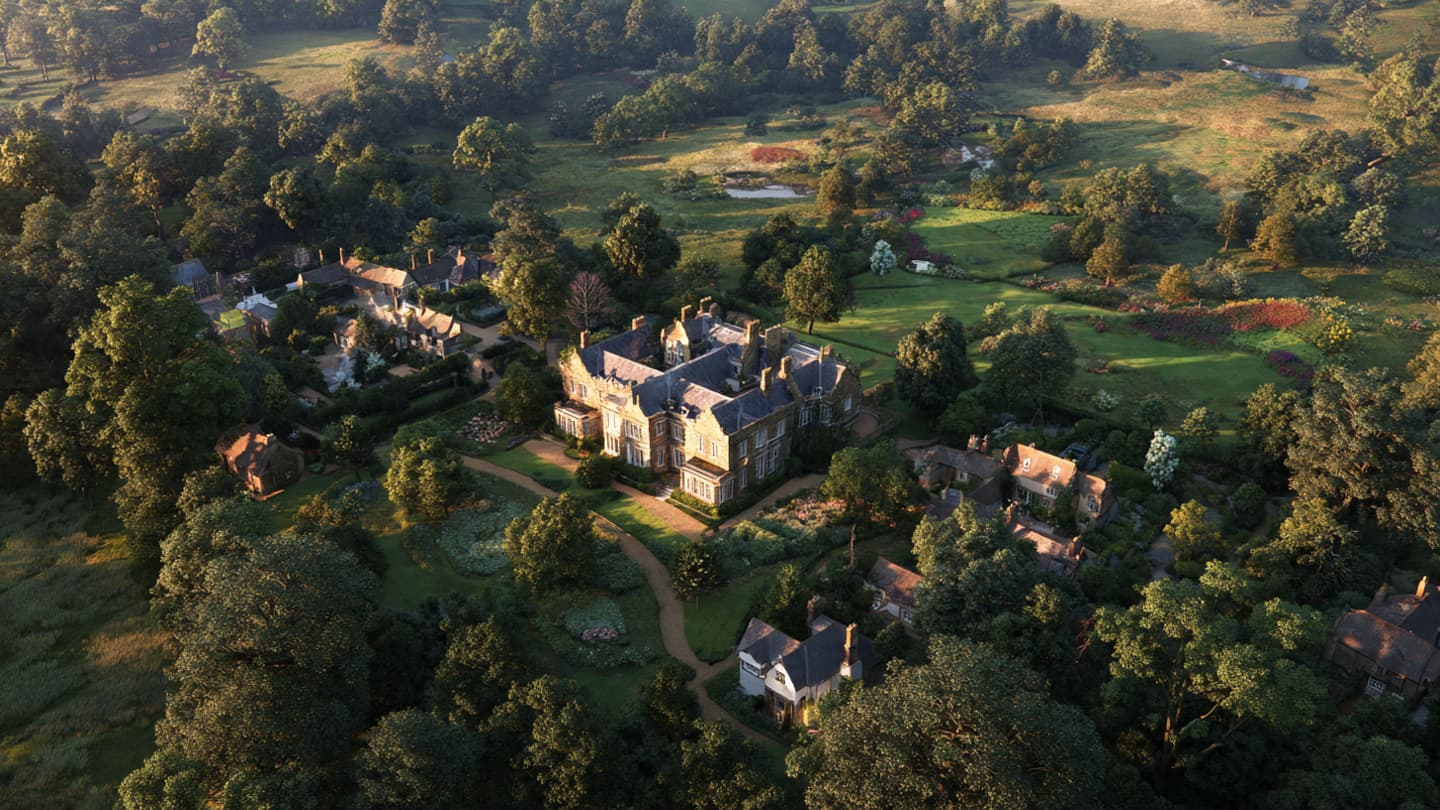
There are places where history seems to linger in the landscape itself. Old trees mark the edges of long driveways. Stone walls trace boundaries drawn generations ago. Across the royal estates of Britain, cottages, lodges, and gardens sit within a geography shaped by centuries of tradition, their quiet appearance often concealing arrangements known only to a handful of administrators and tenants.
From time to time, however, those arrangements emerge into public view. When they do, they invite questions not only about property and finance, but also about the relationship between heritage, privilege, and accountability in modern Britain.
A newly released report by the United Kingdom’s National Audit Office has done precisely that. The spending watchdog’s review of royal property arrangements revealed that Andrew Mountbatten-Windsor, formerly known as Prince Andrew, received income from subletting three cottages located on the grounds of Royal Lodge, the Windsor estate residence where he lived under a long-term lease while paying only a nominal “peppercorn” rent. The amount earned through the sublets was not disclosed in the report.
Royal Lodge has occupied a distinctive place within the royal landscape for more than two decades. Under an agreement reached in 2003, Andrew secured a 75-year lease that required a substantial upfront payment and extensive renovation work. In return, the annual rent remained largely symbolic. The estate included a large mansion and several cottages, three of which were permitted to be sublet under the terms of the lease.
Viewed from a distance, the matter might appear technical, a question of contracts and property rights. Yet the public reaction reflects something broader. The report arrives after years of heightened scrutiny surrounding Andrew’s public role and financial arrangements. As details of the lease became more widely understood, attention naturally shifted toward how royal properties are managed and whether longstanding agreements remain aligned with contemporary expectations of transparency.
The audit extended beyond a single residence. It offered one of the most detailed examinations of royal housing arrangements in decades, revealing a network of leases, discounted rents, and accommodations connected to working and non-working members of the royal family. The report also disclosed that King Charles III pays the rent for residences occupied by Andrew’s daughters, Princess Beatrice and Princess Eugenie, through his private income rather than public funds. Those arrangements have become part of the wider conversation surrounding royal finances and the use of historic properties.
There is a particular symbolism attached to cottages on a royal estate. They stand at the intersection of two worlds. On one side lies the enduring image of monarchy, with its ceremonies, traditions, and inherited responsibilities. On the other is a modern public increasingly interested in how institutions operate behind closed doors. What might once have remained an administrative detail now becomes a matter of national discussion.
Supporters of the existing arrangements note that many leases were established through formal agreements and often included substantial financial obligations. Officials have argued that unique security requirements, historical circumstances, and property conditions make royal housing arrangements difficult to compare directly with conventional rental markets. Buckingham Palace has welcomed the publication of the audit as part of a broader commitment to transparency.
Critics, meanwhile, see the findings as evidence that inherited privileges continue to receive favorable treatment. Questions have focused particularly on the undisclosed income from subletting and the extent to which public oversight should apply to properties associated with the monarchy. Members of Parliament and public watchdogs are expected to examine the findings further in the months ahead.
Yet beneath the debate lies a quieter theme that often accompanies discussions of institutions shaped by history. Every generation inherits systems built by the previous one. Some arrangements endure because they function smoothly. Others attract attention precisely because changing expectations cast them in a different light.
For now, the cottages at Royal Lodge sit much as they always have, framed by trees and pathways that have witnessed decades of royal life. Their significance lies not in their size or appearance, but in the questions they have helped surface. A handful of rental agreements has opened a wider reflection on transparency, stewardship, and the evolving role of monarchy in contemporary Britain.
The National Audit Office’s findings are unlikely to end that conversation. If anything, they mark the beginning of a deeper examination of how royal properties are managed and how public trust is maintained. In the stillness of Windsor’s estates, where history often feels permanent, the debate serves as a reminder that even the oldest institutions continue to be measured against the expectations of the present day.
AI Image Disclaimer Visuals accompanying this article were produced with AI and are intended as illustrative depictions rather than actual photographs.
Sources Reuters Associated Press National Audit Office (UK) ITV News The Guardian
Note: This article was published on BanxChange.com and is powered by the BXE Token on the XRP Ledger. For the latest articles and news, please visit BanxChange.com