
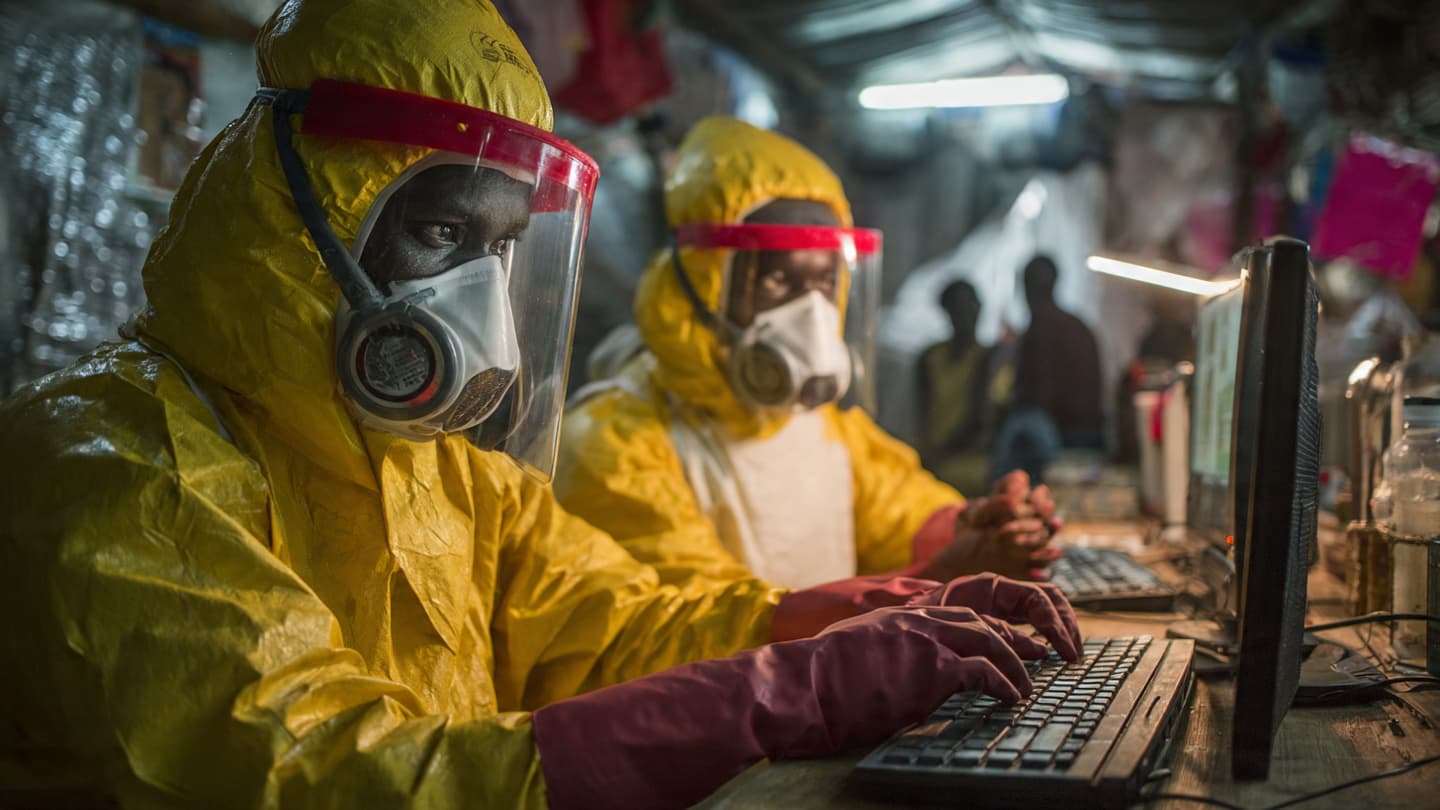
In moments of public health crisis, ordinary human rituals can suddenly feel fragile. Gatherings once defined by comfort, mourning, and togetherness may become difficult decisions shaped by caution and uncertainty. In the Democratic Republic of Congo, communities are again confronting those painful realities as authorities intensify measures to contain a renewed Ebola outbreak.
Congolese officials announced temporary suspensions on funeral wakes and large public gatherings in affected regions following growing concerns over the spread of Ebola. The measures came shortly after the World Health Organization upgraded its regional risk assessment, citing increasing transmission concerns and operational challenges facing health responders.
Health authorities explained that funeral-related contact has historically contributed to Ebola transmission during previous outbreaks. Traditional mourning practices often involve close physical interaction, making them especially sensitive during periods of infectious disease spread.
The outbreak has emerged in eastern Congo, a region that has repeatedly faced overlapping humanitarian and security challenges. Medical teams continue working to identify cases, trace contacts, and expand community awareness efforts while attempting to prevent broader transmission.
According to WHO updates, several factors complicated the response, including limited healthcare infrastructure, population displacement, and logistical difficulties in remote areas. International health organizations have also emphasized the importance of rapid community engagement to maintain public trust during containment operations.
The Congolese government stated that temporary restrictions on gatherings were intended as preventive public health measures rather than long-term social controls. Local officials have encouraged residents to cooperate with health workers while adapting community practices to reduce infection risks.
Public health experts note that Ebola outbreaks often require balancing urgent medical intervention with cultural sensitivity. Funeral traditions in many communities carry deep spiritual and social significance, making restrictions emotionally difficult despite health concerns.
International aid agencies and regional health organizations have increased coordination efforts in response to the evolving situation. Vaccination campaigns, surveillance systems, and emergency medical support continue expanding as authorities attempt to contain the outbreak before transmission accelerates further.
The World Health Organization continues monitoring developments closely while supporting Congo’s health response. Officials say community cooperation and timely medical intervention remain central to limiting the outbreak’s wider impact.
These images were generated with AI assistance for visual illustration purposes only.
Sources: World Health Organization, Reuters, Associated Press, Al Jazeera, BBC
Note: This article was published on BanxChange.com and is powered by the BXE Token on the XRP Ledger. For the latest articles and news, please visit BanxChange.com