
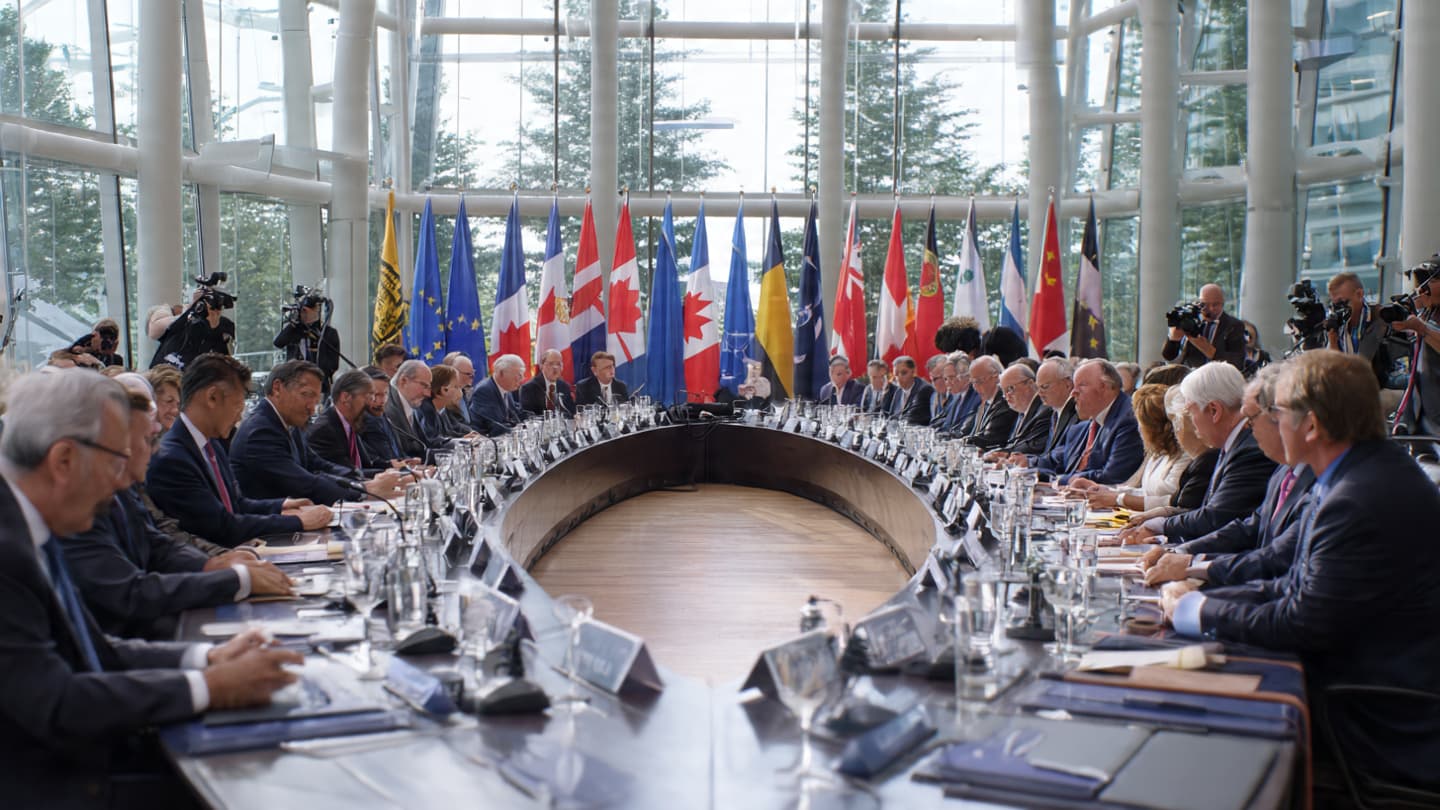
The international order rarely remains still for long. Like a landscape shaped by moving tides, it changes gradually in some places and dramatically in others. Today, governments around the world are adjusting to shifting balances of power, emerging alliances, and growing strategic competition. Within this environment, France is working to strengthen its position and maintain its influence on the global stage.
The challenge facing policymakers is not simply one of power, but of adaptation. Economic transformations, technological advances, and security concerns are reshaping international relationships. Nations must continuously evaluate how best to protect their interests while engaging with an increasingly interconnected world.
France enters this period with several advantages. As a major European economy, a permanent member of the United Nations Security Council, and a country with extensive diplomatic networks, it possesses tools that allow it to participate actively in global affairs. The question is how those tools can be used most effectively in a changing environment.
Strategic competition among major powers has become one of the defining features of contemporary geopolitics. Rivalries involving economic influence, technology, trade, and security continue affecting decisions made across multiple regions. These developments create both challenges and opportunities for middle and major powers alike.
French officials have frequently emphasized the importance of strategic autonomy. The concept reflects a desire for Europe to maintain the capacity to make independent decisions while continuing cooperation with allies. Supporters argue that such an approach can enhance resilience in uncertain times.
Economic considerations play an important role in this discussion. Supply chain disruptions, investment competition, and technological innovation increasingly influence diplomatic priorities. Governments are paying closer attention to how economic policies intersect with broader strategic objectives.
International partnerships remain central to France's approach. Cooperation within Europe continues to provide a foundation for many policy initiatives, while relationships with countries across other regions contribute to diplomatic and economic engagement. These connections help expand France's influence beyond its immediate neighborhood.
Analysts note that influence in modern geopolitics is measured through multiple dimensions. Military capability remains important, but so do technological leadership, economic strength, diplomatic credibility, and cultural presence. Successful international engagement often requires a combination of all these factors.
France's efforts therefore reflect more than a desire for prominence. They represent an attempt to navigate a world where uncertainty has become a defining characteristic of international relations. Flexibility and adaptability are increasingly valuable assets.
As global dynamics continue evolving, the effectiveness of these efforts will become clearer over time. For now, France appears determined to remain an active participant in shaping discussions about the future international order, seeking relevance not through confrontation but through sustained engagement and strategic vision.
AI Image Disclaimer
Visuals are created with AI tools and are not real photographs.
Sources
Chatham House, Reuters, Financial Times, Le Monde, Carnegie Europe
Note: This article was published on BanxChange.com and is powered by the BXE Token on the XRP Ledger. For the latest articles and news, please visit BanxChange.com