
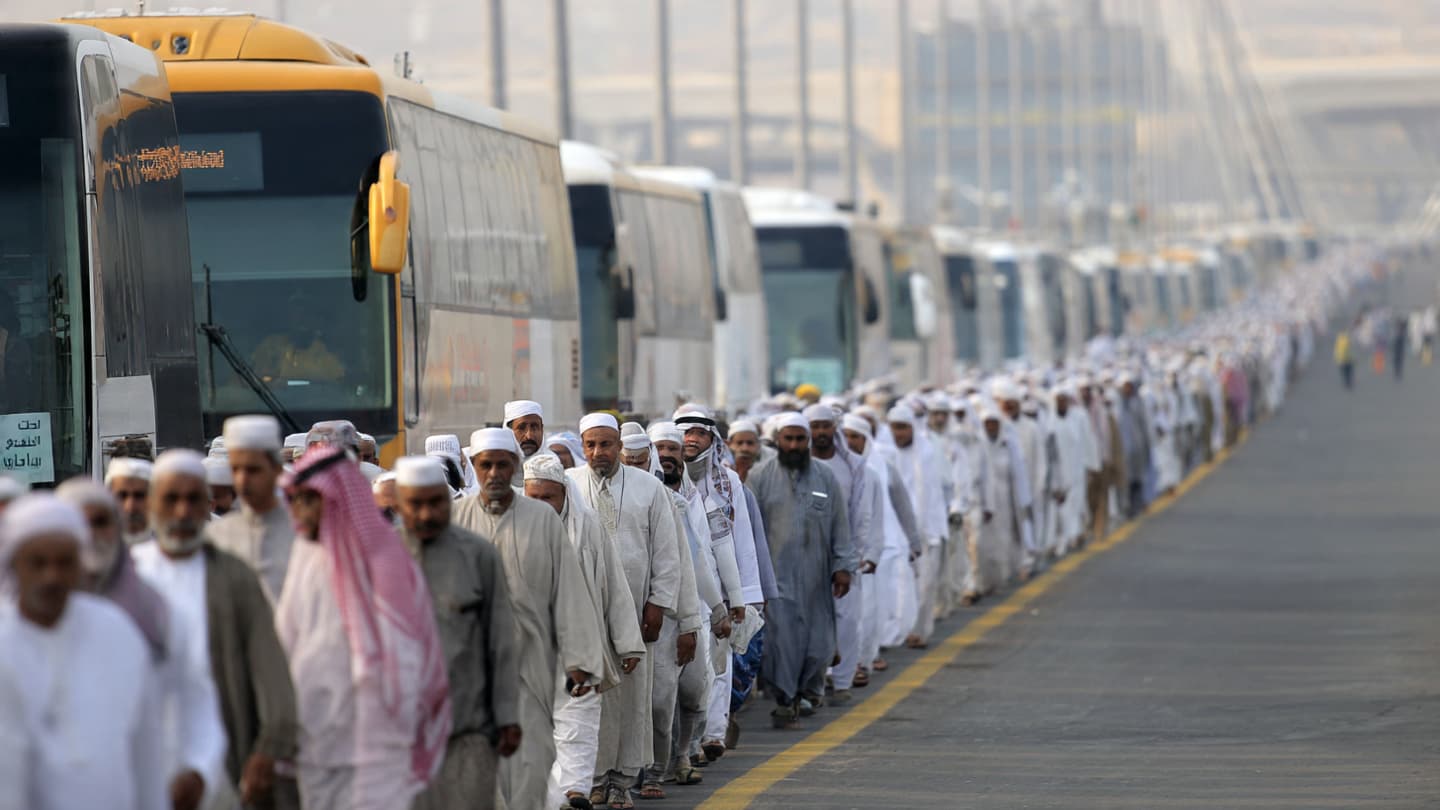
Pilgrimage has long carried a meaning deeper than travel alone. Across centuries, people have crossed deserts, seas, and borders seeking prayer, reflection, and spiritual continuity even during periods of political tension or uncertainty. This year, thousands of Iranian pilgrims traveling to Saudi Arabia arrived under the shadow of regional instability and growing concerns tied to conflict across the Middle East.
Despite heightened geopolitical tensions, Iranian pilgrims continued journeys to Islam’s holy sites in Saudi Arabia as part of annual religious observances. The pilgrimage unfolded during a period marked by regional security anxieties, diplomatic caution, and continuing conflict involving several Middle Eastern actors.
Relations between Iran and Saudi Arabia have historically moved through cycles of rivalry, negotiation, and cautious rapprochement. While both countries restored diplomatic ties in recent years through mediation efforts, tensions connected to regional conflicts and political alliances continue influencing the broader relationship.
Religious pilgrimages to Mecca and Medina remain deeply important for millions of Muslims worldwide, including Iranian citizens. Saudi authorities oversee some of the largest annual gatherings on earth during pilgrimage seasons, requiring extensive coordination involving transportation, health services, crowd management, and international diplomacy.
Security concerns have become especially prominent amid fears that regional escalation could affect travel routes or broader stability. Officials from both countries reportedly worked to maintain orderly arrangements and ensure the safety of pilgrims during the journey.
Observers note that religious diplomacy sometimes provides rare moments of communication between rival states. Even during periods of political disagreement, pilgrimage coordination can create limited channels for cooperation involving visas, transportation logistics, and public safety management.
The atmosphere surrounding this year’s pilgrimage also reflects wider anxieties across the Middle East, where conflicts in Gaza, Lebanon, and surrounding regions continue shaping public sentiment and diplomatic relations. Pilgrims traveling under such circumstances often carry both spiritual intentions and awareness of the region’s fragile political climate.
For now, the movement of thousands of Iranian pilgrims into Saudi Arabia stands as a reminder that faith traditions often continue even amid uncertainty. In a region frequently shaped by geopolitical rivalry, the pilgrimage remains one of the few rituals capable of briefly gathering people across national and political divides.
AI Image Disclaimer: Some visual elements connected to this article may include AI-generated illustrations for cultural and international news coverage.
Sources: Reuters, Al Jazeera, BBC, Arab News, Associated Press
Note: This article was published on BanxChange.com and is powered by the BXE Token on the XRP Ledger. For the latest articles and news, please visit BanxChange.com