
Diplomacy often moves like a river rather than a storm. Its course can shift gradually, shaped by changing landscapes and new currents. Recent remarks from Berlin suggesting that Europe is prepared to assume a larger role in discussions involving Russian President Vladimir Putin reflect a broader conversation about leadership, responsibility, and security on the continent.
The statement emerged amid ongoing efforts to address the war in Ukraine and the wider security challenges facing Europe. European governments have played a substantial role in providing economic, humanitarian, and military support throughout the conflict, making their involvement in future negotiations a subject of growing attention.
Officials in Germany indicated that European leaders are prepared to engage more directly while remaining in coordination with the United States. The comments highlighted a desire for Europe to contribute more actively to diplomatic efforts affecting its own security environment.
The discussion reflects broader shifts in transatlantic relations. Over the past several years, European countries have expanded defense cooperation and increased commitments to regional security. These developments have encouraged debates about Europe’s strategic autonomy and its capacity to act collectively.
At the same time, the United States remains a significant partner in NATO and continues to influence the diplomatic framework surrounding the conflict. European leaders have generally emphasized cooperation rather than replacement, presenting greater involvement as a complement to existing alliances.
The prospect of expanded European participation also reflects practical realities. The consequences of the war—including energy concerns, refugee movements, and economic disruptions—have been felt particularly strongly across Europe. These factors have reinforced arguments for a more visible European voice in negotiations.
Questions remain about how Moscow would respond to such an approach and what format future talks might take. Diplomatic processes involving multiple actors often require careful coordination and sustained political commitment. The complexity of the conflict ensures that no single initiative is likely to provide a quick solution.
Observers note that any meaningful negotiation effort would depend on the positions of all parties involved, including Ukraine. As a result, discussions about leadership roles are closely connected to broader questions about representation, legitimacy, and long-term security arrangements.
For now, Berlin’s comments signal an evolving conversation about Europe’s place in managing regional challenges. Whether through diplomacy, security cooperation, or economic support, European governments appear increasingly determined to play a central role in shaping the continent’s future.
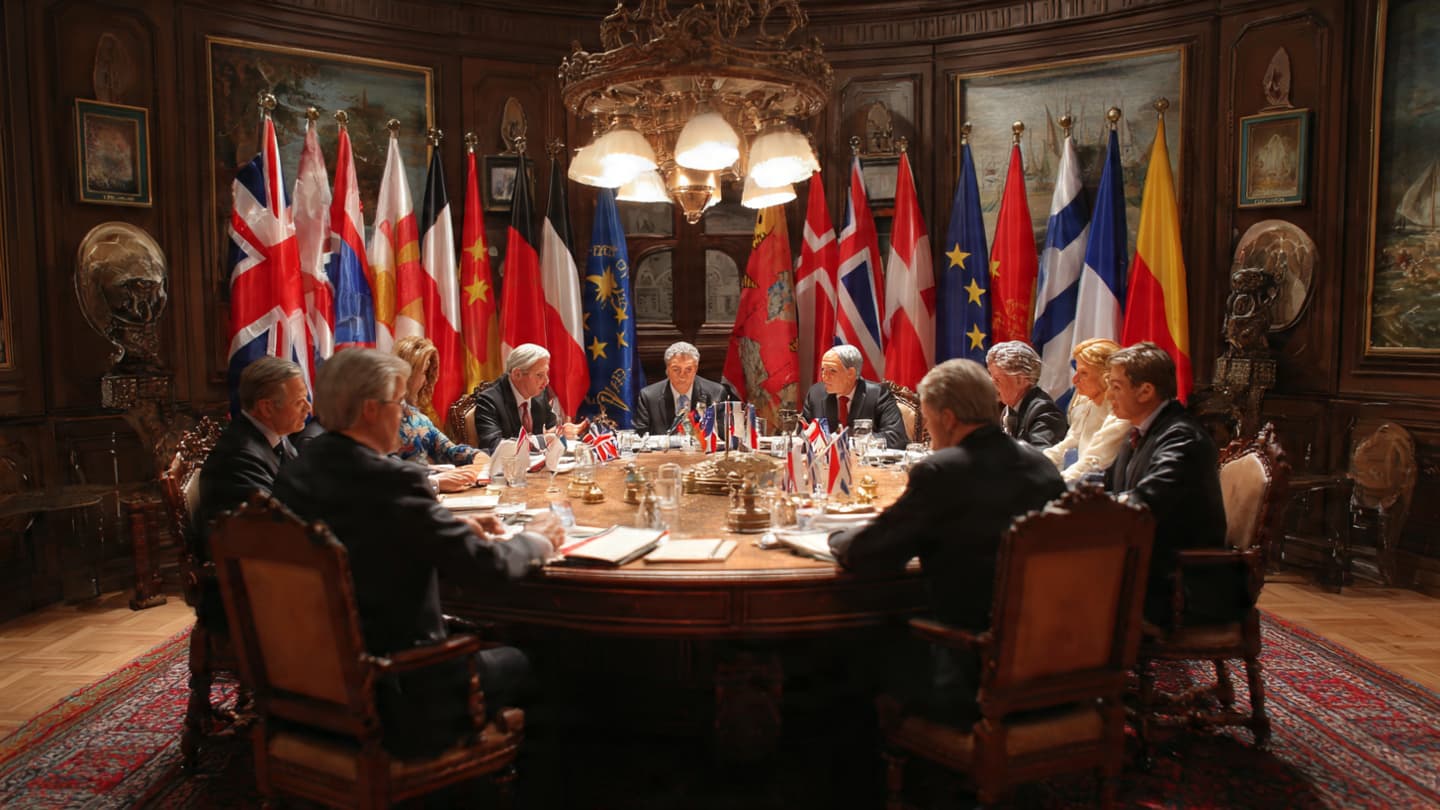
AI Image Disclaimer: Visuals accompanying this article are AI-generated interpretations created for illustrative purposes only.
Note: This article was published on BanxChange.com and is powered by the BXE Token on the XRP Ledger. For the latest articles and news, please visit BanxChange.com