
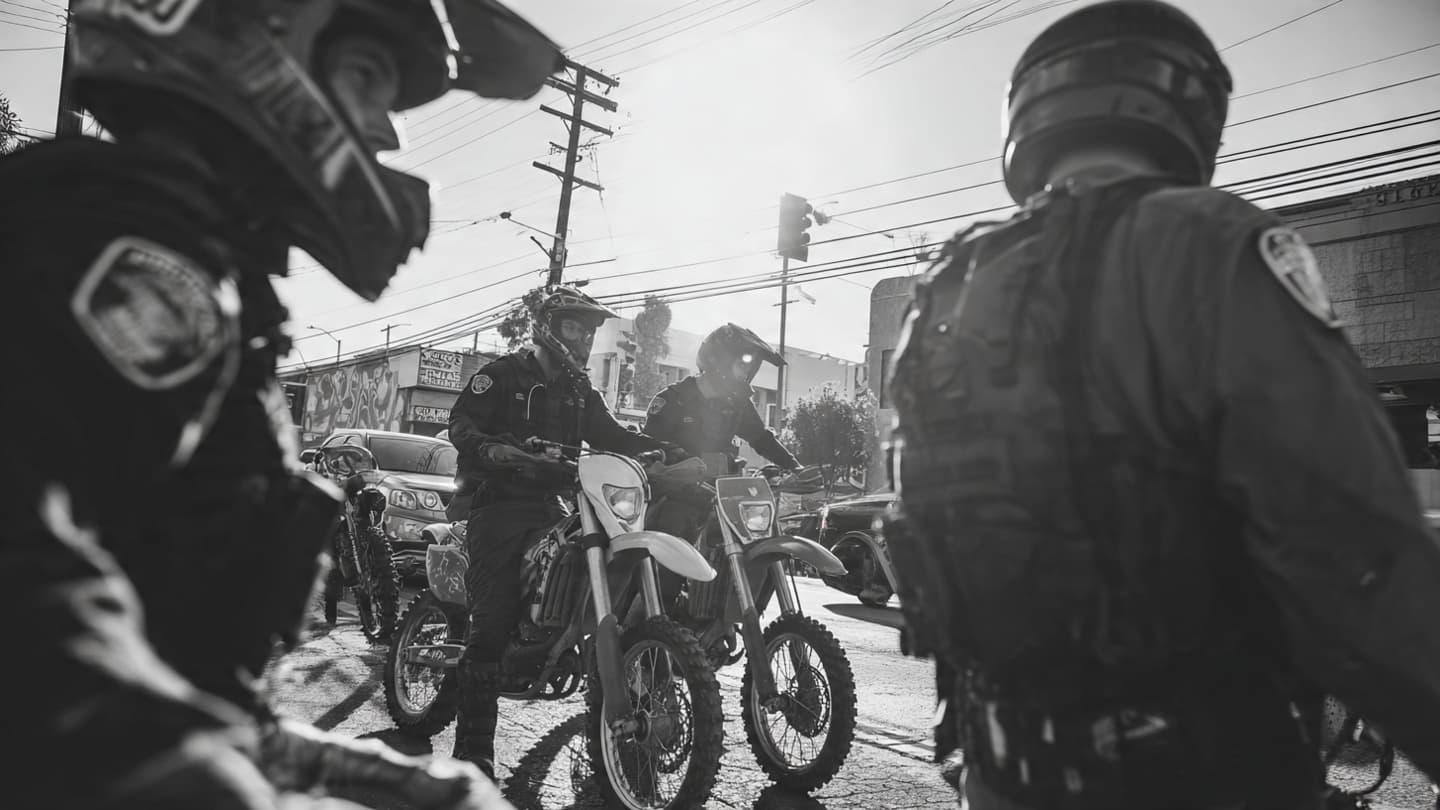
In many cities, the sound of engines weaving through crowded streets has become both a symbol of freedom and a source of public frustration. Authorities across several regions recently launched coordinated operations targeting illegal dirt bike riders accused of dangerous and disruptive behavior on public roads.
Law enforcement agencies described the campaign as an effort to address what officials called “anti-social” riding activities involving unregistered dirt bikes, reckless driving, and unauthorized street gatherings. The operations reportedly resulted in arrests, vehicle seizures, and increased patrols in urban neighborhoods.
Officials stated that complaints from residents had risen in recent months, particularly regarding noise disturbances, traffic risks, and dangerous riding near pedestrian areas. Authorities argued that stricter enforcement became necessary to improve public safety and reduce accidents.
The issue has generated debate in many communities where dirt bike culture remains popular among young riders. Supporters often describe riding groups as social communities and recreational outlets, while critics point to repeated incidents involving traffic violations and unsafe public behavior.
Police departments involved in the operations emphasized that the enforcement actions focused primarily on illegal riding activity rather than recreational motorsports conducted in approved areas. Authorities also encouraged riders to use licensed tracks and comply with registration and safety regulations.
Community advocates noted that tensions between police and youth riding groups have surfaced periodically in several cities over the years. Some residents support stronger crackdowns, while others argue that a lack of designated recreational spaces contributes to the persistence of illegal street riding.
Public safety experts highlighted the broader risks associated with unregulated motorcycle activity in crowded urban areas, including collisions, injuries, and disruptions to emergency traffic movement. Illegal street riding has also increasingly spread through social media videos and online group coordination.
At the same time, some observers warned that enforcement-only approaches may not fully address the social and economic factors that attract young people to unauthorized riding culture. Calls for outreach programs and legal riding facilities have accompanied discussions surrounding policing strategies.
As authorities continue the nationwide campaign, officials urged riders to follow traffic laws and safety regulations. The operations reflected a broader attempt to balance public order, recreational culture, and community safety within rapidly changing urban environments.
AI Image Disclaimer: Some visuals connected to this report were created using AI-generated editorial illustrations.
Sources: Associated Press, Reuters, CNN, local law enforcement statements
Note: This article was published on BanxChange.com and is powered by the BXE Token on the XRP Ledger. For the latest articles and news, please visit BanxChange.com