
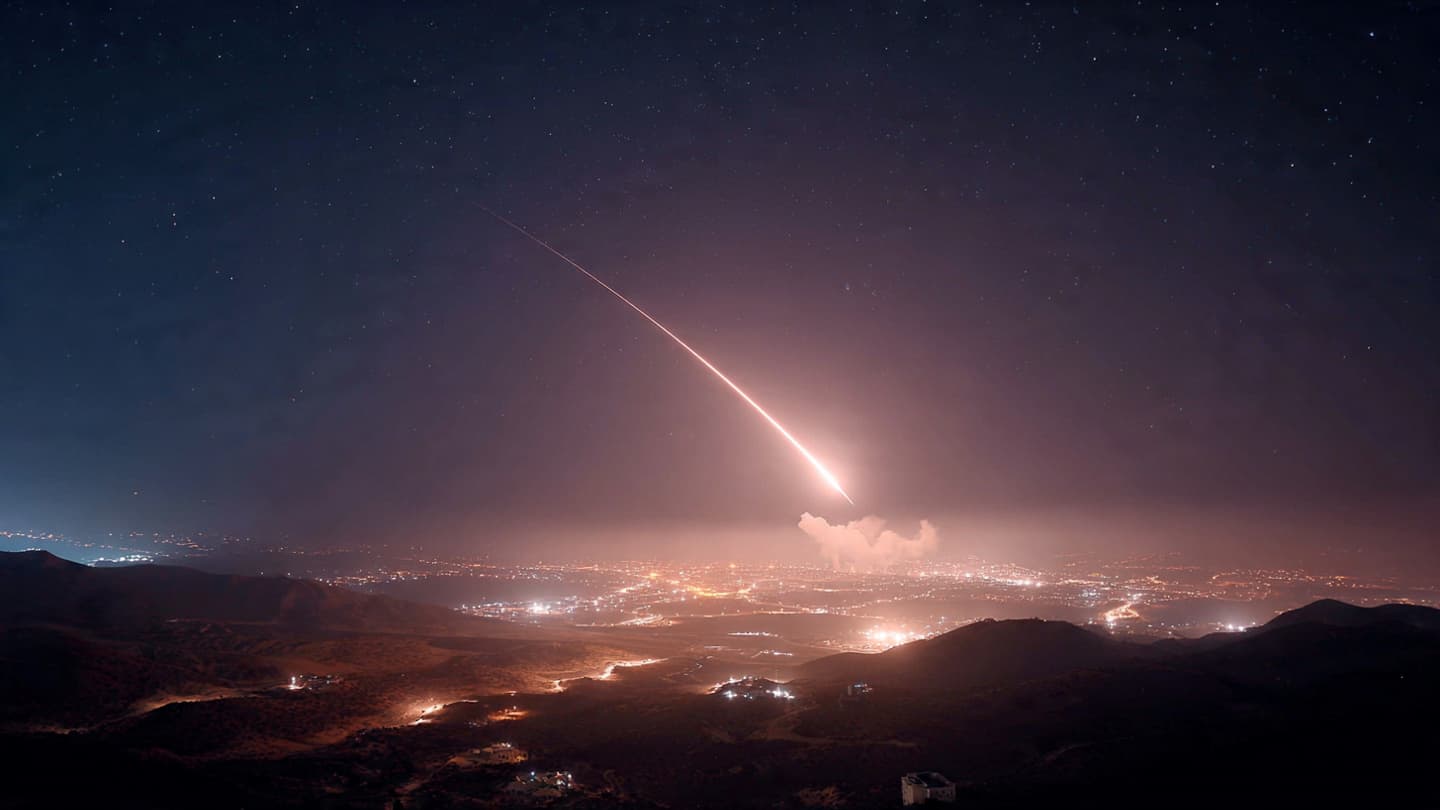
Modern warfare is often described through missiles, radar systems, and military calculations, yet behind every interception lies a quieter story of urgency and alliance. In moments of escalating conflict, defense systems become more than machines; they become symbols of reassurance shared between nations navigating uncertainty beneath the same tense skies.
Reports emerging from recent regional fighting suggest the United States fired more missile interceptors to defend Israel during the latest confrontation involving Iran than Israel itself deployed. The development highlighted the scale of American military support during one of the region’s most closely watched periods of escalation.
According to defense sources cited by international media, U.S. naval and regional air defense assets played a major role in intercepting incoming projectiles during Iranian missile and drone attacks. American systems operating in the Middle East reportedly engaged threats targeting Israeli territory and nearby strategic areas.
Israel’s multilayered air defense network, including Iron Dome, David’s Sling, and Arrow systems, remained active throughout the confrontation. However, reports indicated that U.S. military involvement significantly expanded the interception effort as the scale of attacks increased.
Military analysts noted that the high number of interceptors used reflects both the intensity of modern missile warfare and the logistical complexity of sustained regional defense operations. Interceptor missiles are highly advanced systems, often carrying substantial financial and strategic costs.
The cooperation also underscored the longstanding security relationship between Washington and Jerusalem. The United States has consistently supported Israel through defense coordination, intelligence sharing, and military aid, particularly during periods of heightened regional tension.
At the same time, defense experts cautioned that prolonged missile exchanges can strain even advanced air defense networks. Sustaining interceptor supplies, maintaining readiness, and coordinating multinational defense operations require significant logistical planning and financial resources.
Regional observers said the latest confrontation may influence future military planning across the Middle East, where missile and drone technology increasingly shape strategic calculations. Several neighboring countries have also strengthened their own air defense capabilities amid rising regional uncertainty.
For now, U.S. and Israeli officials continue assessing the broader implications of the recent conflict. The episode illustrated how modern alliances increasingly operate not only through diplomacy and policy, but also through integrated defense systems responding in real time during moments of crisis.
AI-generated visuals are included solely for editorial illustration.
Sources: Reuters, CNN, Associated Press, The Wall Street Journal, BBC
Note: This article was published on BanxChange.com and is powered by the BXE Token on the XRP Ledger. For the latest articles and news, please visit BanxChange.com