
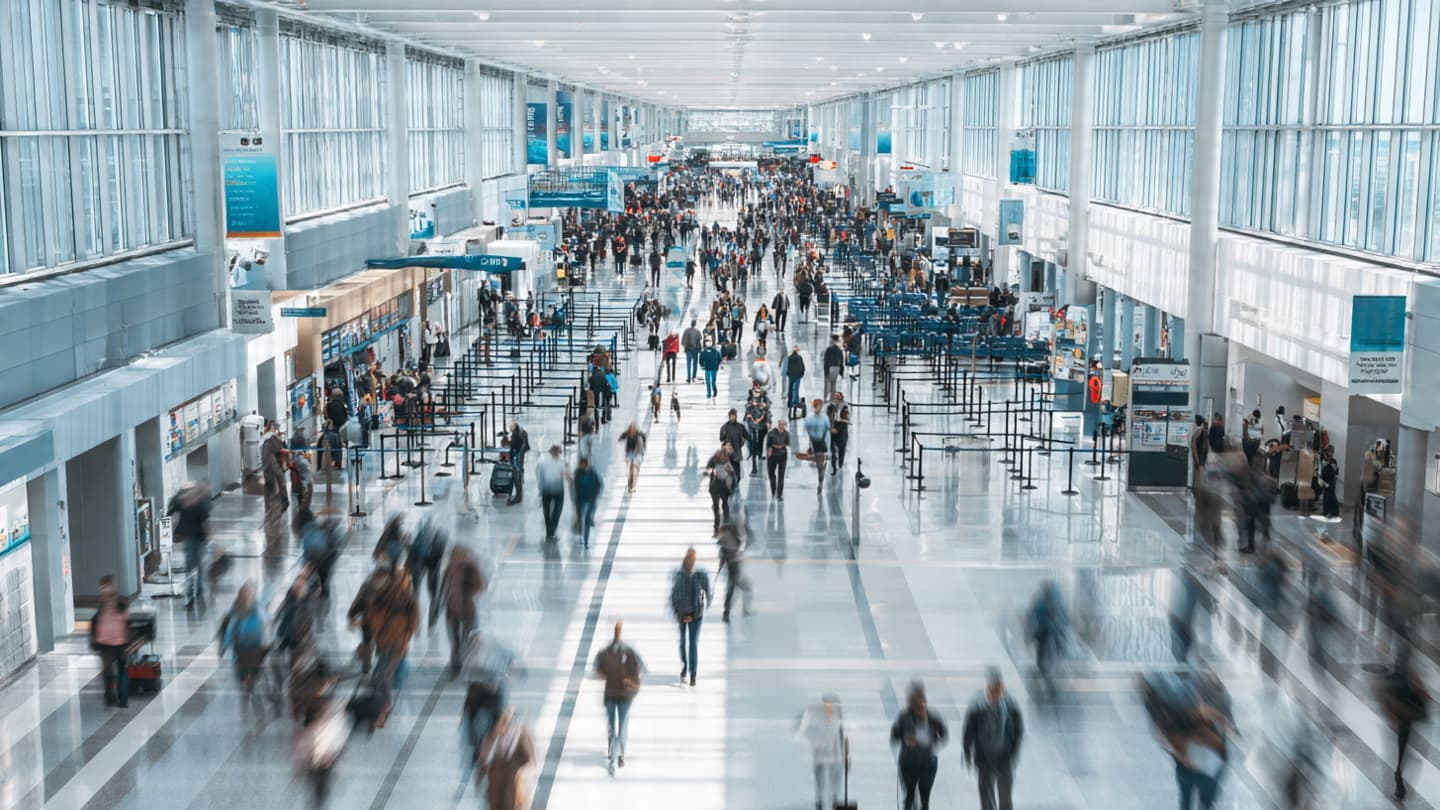
Airports often function as quiet intersections of policy and movement, where global mobility meets the practical realities of national governance. In the United States, the travel industry is once again paying close attention to political signals coming from Washington after renewed discussion from the Trump administration regarding potential actions involving airports in so-called sanctuary cities.
The remarks have raised concern among airline operators, airport authorities, and tourism stakeholders who depend on predictable regulatory environments. Sanctuary cities, which generally limit cooperation with federal immigration enforcement in certain contexts, have long been a focal point of political debate in the United States.
According to industry observers, any policy shifts affecting airport operations could have broad implications for passenger flow, staffing, and federal coordination mechanisms. Airports rely heavily on consistent collaboration between local authorities and federal agencies, particularly in areas involving security screening and immigration processing.
Travel and aviation groups emphasize that even the perception of operational disruption can influence consumer confidence. Airlines, hotels, and tourism boards often monitor political developments closely, as changes in policy language can affect booking trends and international travel sentiment.
Supporters of stricter immigration enforcement argue that airports must remain fully aligned with federal oversight to ensure national security and regulatory consistency. They view such measures as part of broader efforts to strengthen border control and enforce immigration laws uniformly.
Critics, however, warn that politicizing transportation infrastructure could create logistical challenges and economic uncertainty in major metropolitan hubs. Many sanctuary cities are also key economic engines, hosting some of the busiest airports in the country.
Aviation analysts note that U.S. air travel operates within a tightly integrated system, where coordination among federal, state, and local agencies is essential for safety and efficiency. Any disruption in that balance could have ripple effects across domestic and international travel networks.
For now, the industry is watching closely as political rhetoric intersects with transportation policy. While no immediate operational changes have been confirmed, the discussion itself underscores how closely aviation and national politics are now intertwined.
AI Image Disclaimer: Some visuals accompanying this article may include AI-generated illustrations representing airports and policy discussions.
Sources: Reuters, Associated Press, BBC, CNN, The Washington Post
Note: This article was published on BanxChange.com and is powered by the BXE Token on the XRP Ledger. For the latest articles and news, please visit BanxChange.com